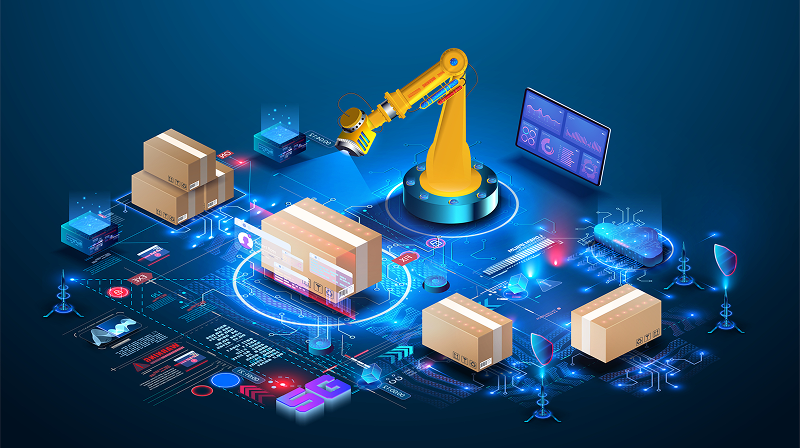
The logistics and supply chain industry is facing unprecedented pressure in 2025. Fuel prices fluctuate, labor shortages persist, customers demand same-day delivery, and regulators enforce stricter compliance standards. Companies still relying on manual planning, spreadsheets, or legacy systems are not just inefficient—they’re at risk of losing contracts, overpaying for operations, and falling behind AI-enabled competitors.
While many businesses know that AI in transportation and logistics can help, most focus only on the basics—route optimization or tracking. But AI can now do far more: self-optimizing supply chains, automated decision-making, dynamic pricing, and ESG reporting, all of which can redefine competitiveness.
This article explores five powerful ways to use Artificial Intelligence (AI) in logistics and supply chains—including advanced, lesser-known applications that forward-thinking companies are adopting to stay ahead.
1. Predictive Route Optimization That Thinks Beyond Traffic
Traditional route planning tools prioritize the shortest path and basic traffic data. In contrast, AI-powered logistics platforms analyze:
- Live traffic feeds, weather conditions, and fuel prices.
- Driver working hours, vehicle capacity, and delivery time windows.
- Historical congestion and delay patterns to predict bottlenecks before they happen.
These systems can even re-route shipments mid-journey, automatically communicating with drivers and customers. The result?
- 10–20% reduction in fuel and labor costs.
- Improved on-time delivery rates, which helps avoid penalties and keeps shippers happy.
This is particularly vital for last-mile logistics, where every minute and mile counts. Companies not using these tools risk higher operational costs and dissatisfied customers.
Tired of inventory delays and delivery hiccups? Solve your retail challenges
Explore Solutions2. Smarter Demand Forecasting & Inventory Positioning
AI is revolutionizing supply chain forecasting by analyzing historical sales, seasonality, macroeconomic data, and even real-time events (like weather or geopolitical shifts).
Key benefits:
- Predicts regional demand surges, helping businesses pre-position inventory at the right hubs.
- Reduces empty miles and deadhead runs by aligning vehicle deployment with anticipated demand.
- Optimizes warehouse staffing and slotting—especially important in the growing AI in warehousing market.
For companies operating in e-commerce or industries with volatile demand, these forecasting tools prevent costly stockouts, excess inventory, and waste, while ensuring faster delivery times.
3. Dynamic Pricing & Cost Optimization
One of the most overlooked advantages of AI for logistics is its ability to protect profit margins. Many smaller carriers and 3PLs lose money because they can’t adjust quickly when fuel prices spike or demand shifts.
AI-driven pricing systems can:
- Dynamically adjust fuel surcharges, spot market rates, and bids.
- Analyze competitor pricing trends and suggest optimal contract rates.
- Help logistics companies avoid the “race to the bottom” on freight pricing.
By automating these adjustments, businesses can stay competitive and profitable even during volatile market conditions—something most low-tech operators struggle with.
Healthcare deliveries must stay cold, safe, and compliant. See how logistics leaders do it
Explore Now4. Automated Compliance, Risk Management, and ESG Reporting
Compliance is no longer a simple checkbox. From temperature-controlled shipments in pharma to carbon reporting for ESG contracts, supply chains face growing scrutiny.
AI makes compliance seamless by:
- Pulling real-time data from IoT sensors, telematics, and warehouse systems.
- Generating audit-ready chain-of-custody reports automatically.
- Tracking carbon emissions by vehicle, lane, and shipment for sustainability initiatives.
This doesn’t just reduce audit risks and fines. It also opens doors to premium contracts with global shippers who require digital compliance proof and ESG commitments.
5. Autonomous Decision-Making for a Self-Optimizing Supply Chain
The most transformative trend in 2025 is AI moving from analytics to action. Companies are using next-gen AI systems that:
- Automatically reroute shipments, reassign loads, or book alternate carriers when disruptions occur (port closures, weather events, strikes).
- Use Generative AI to simulate “what-if” scenarios, instantly producing contingency plans for cost, timing, and risk.
- Integrate with warehouse robotics to adjust pick-pack flows and dock schedules based on live conditions.
This shift reduces dependency on manual decision-making, allowing supply chains to react faster than competitors and even turn disruptions into strategic advantages.
Struggling with inefficient routes, rising fuel costs, or delivery delays? Discover must‑have routing features Read the BlogThe Hidden Pain Points AI Solves (That Most Ignore)
While the benefits above are well-known, AI also fixes profit leaks that many logistics leaders don’t even realize they have:
- Silent cost leakage (fuel burn, detention fees, and underutilized assets).
- Data silos slowing decisions because systems don’t integrate.
- Driver retention issues (drivers prefer digital dispatch, instant pay, and ePOD systems).
- Higher insurance premiums, since fleets without telematics pay more.
- Lost contracts, as big shippers increasingly demand real-time visibility and ESG reporting.
Without AI and modern digital tools, these issues often drain 5–10% of annual revenue without leadership noticing until profits shrink.
The Payoff: Why AI Adoption Can’t Wait
Companies implementing AI in logistics and supply chains report:
- 5–15% reductions in transportation costs through better routing and load optimization.
- Up to 25% faster delivery speeds, which directly boosts customer retention.
- Higher win rates for major shipper contracts, thanks to compliance, ESG, and real-time visibility.
- Lower insurance costs and better driver retention, improving long-term margins.
For businesses still running manual systems, AI is no longer a “nice-to-have”—it’s the difference between growth and obsolescence.
Tired of misloaded shipments and wasted truck space? Discover top load‑management tools Read the BlogWhat’s Next? Trends in AI for Logistics (2025 & Beyond)
Looking ahead, logistics leaders should watch for:
- Autonomous freight matching (AI matching loads to carriers without brokers).
- Dynamic insurance pricing, rewarding fleets with AI-driven telematics.
- Voice and vision AI for field ops, replacing paperwork with voice commands and camera-based cargo verification.
- Generative AI-powered scenario planning, giving executives instant contingency playbooks.
These trends will continue reshaping the market, and early adopters will hold a significant advantage.
Conclusion: Don’t Get Left Behind
AI is no longer just a buzzword in logistics—it’s the backbone of cost efficiency, customer satisfaction, and competitiveness. From predictive routing to autonomous decision-making and ESG compliance, AI is helping companies build self-optimizing, future-ready supply chains.
For logistics providers and shippers alike, the question isn’t “Should we adopt AI?”—it’s “How fast can we make it our advantage?”