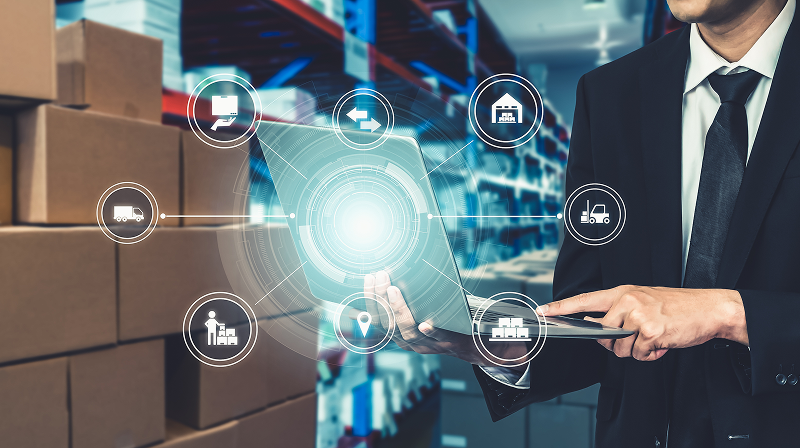
The final leg of any supply chain, colloquially known as the last mile, has long been recognized as the most intricate and, ironically, often the most overlooked. In the realm of Business-to-Business (B2B) distribution, this segment is currently enduring an unprecedented battering, caught in a turbulent sea of recent tariffs and pervasive supply chain disruptions. This relentless storm is driving up costs, escalating operational complexities, and severely testing companies’ ability to maintain their service levels. Yet, within this swirling vortex lies a pivotal truth: the rapidly escalating expectations of B2B customers demand nothing less than a strategic embrace of last-mile technology, transforming it from a mere cost center into a powerful driver of competitive advantage.
Historically, B2B last-mile delivery often offered a less innovative experience compared to its flashier B2C counterpart. Business customers, it was assumed, expected less and were willing to accept less, often bound by long-term contracts that seemed to negate the need for daily engagement with delivery specifics. However, the explosive growth of e-commerce and the consistent innovations in B2C last-mile delivery – from the founding of Instacart and Amazon Prime Pantry to the widespread adoption of Buy Online, Pickup In Store (BOPIS) – have fundamentally reshaped perceptions of what constitutes “good” and “possible” in delivery.
A 2024 Gartner study shows that B2B customer expectations exceed those of demanding consumers. (See Gartner “The Mile Less Traveled: Delivering a Better B2B Last-Mile Experience”, Dec 2024). Not only do B2B customers require real-time updates and sustainability but their expectations around delivery speed and options far exceed those of consumers. B2B customers, much like consumers, now actively harbor expectations of “Amazon-like service levels”.
This requires shippers to adopt a broader carrier network. That larger ecosystem however creates challenges around consistency of customer service and visibility.
The cost of underestimating this rising tide of expectation is significant and tangible. Many organizations mistakenly perceive last-mile delivery as merely the end of the product journey, allocating greater investment to understanding customer expectations before the sale, while neglecting the critical final interaction. They often assume they already know what customers want, or that existing contracts render daily engagement irrelevant, believing there’s no revenue truly on the line. This flawed assumption is actively eroding performance and profitability.
These rising B2B customer expectations and the severe repercussions of neglecting the last mile forms a compelling imperative for technological transformation. While current investment trends show a majority of logistics functions prioritizing increased operational capacity and efficiency, far fewer are truly investing in understanding evolving customer needs. This shortsightedness risks being “efficient at what they assume is the right thing,” rather than adapting to what customers actually value.
Consequently, technology is not merely an option but the fundamental solution for shippers to own the end customer experience while still leveraging a vast network of carrier partners to control costs. Strategic investments in last-mile technology offer the antidote to the “Last Mile Storm”.
In essence, the combined force of tariffs and widespread supply chain disruptions acts as a potent amplifier of existing friction points within the last-mile B2B landscape. This tumultuous environment urgently demands not just incremental adjustments, but a fundamental embrace of increased agility and strategic, forward-looking investments in technology.
Using the right technology with the right vendor allows companies to:
● Leverage a larger number of carriers in their partner network to control delivery costs.
● Understand the operating network and bring all stakeholders including carrier partners together.
● Create consistent business processes across the network.
● Provide a single, real-time visibility dashboard across the network.
● Elevate the B2B customer experience.
● Create a more resilient network.
Here are a few customer quotes that reinforce this message:
“…. we are a critical part of the healthcare ecosystem, and our customers expect the best from us. The nuVizz delivery management and real-time visibility platform enabled us to take control of our extended delivery network by creating a standardized business process across the ecosystem providing our customers with accurate and real-time information and helping them serve their patients better.” Brent Wilhelm, SVP, Supply Chain Planning & Optimization, Cencora.
“…. a true network-aware technology like nuVizz is critical in managing and “owning” our dealer experience by consolidating visibility and creating a consistent business process across our fragmented carrier partner network and it not only reduces our total cost of ownership but also makes our network more resilient.” Doug Cantriel, Head of North American Transportation & Modernization, Ford Motor Company.
Only through adoption of the right technology can companies hope to mitigate risks, sustain profitability, and ultimately, maintain a competitive advantage in the arduous and increasingly critical journey of last-mile delivery. The mile less traveled in B2B is no longer a path of modest expectations, but a digital highway demanding excellence.
Author: Bart A. De Muynck
Strategic Advisor, nuVizz.