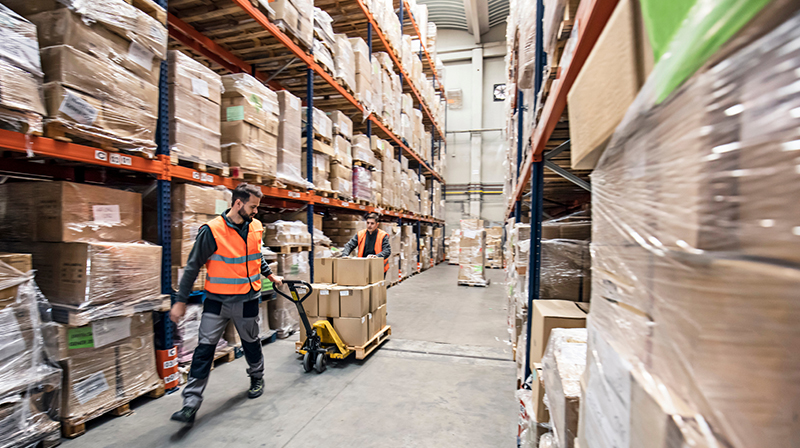
In today’s hyper-competitive and fast-paced global market, businesses can no longer afford inefficiencies or delays in their supply chains. From sourcing raw materials to delivering finished products to the end customer, dispatch logistics acts as the critical backbone that keeps operations running smoothly. Efficient dispatch operations not only ensure timely deliveries but also optimize routes, reduce operational costs, improve fleet utilization, and elevate overall customer satisfaction—all key drivers of modern business success.
The evolution of technology has further amplified the importance of dispatch logistics. With the rise of advanced route planning software, and real-time delivery tracking, companies now have the ability to make smarter, data-driven decisions. These innovations allow for accurate demand forecasting, dynamic route optimization, and proactive problem-solving, even in complex and high-volume supply chains.
In this blog, we will explore why dispatch logistics is central to the efficiency and resilience of modern supply chains, and how cutting-edge technologies are reshaping the landscape—enabling businesses to deliver faster, smarter, and more reliably than ever before.
The Critical Role of Dispatch Logistics
Dispatch logistics is the strategic planning, scheduling, and execution of moving goods from warehouses or distribution centers to customers. It is a vital component of modern supply chain management, directly impacting operational efficiency, cost control, and customer satisfaction.
A well-designed dispatch logistics system integrates several core functions:
1. Fleet Management
Efficient fleet management ensures optimal deployment of vehicles, real-time tracking, and monitoring of driver performance. By leveraging fleet route planning software and telematics, businesses can maximize vehicle utilization, reduce downtime, and maintain timely deliveries.
2. Route Optimization
Planning the most efficient delivery routes is critical to minimizing fuel consumption, avoiding traffic bottlenecks, and ensuring on-time arrivals. Advanced routing optimization software enables dynamic route adjustments in real time, improving efficiency and reducing overall logistics costs.
3. Inventory Control
Proper inventory management guarantees that the right products are available for dispatch when needed. Integration with last mile delivery platforms ensures that stock levels are aligned with delivery schedules, preventing delays and missed orders.
4. Delivery Scheduling
Coordinating shipments to meet customer deadlines is essential for maintaining reliability and trust. Delivery route planning software can automate scheduling, optimize multi-stop deliveries, and account for variable factors like peak hours, vehicle capacity, and customer preferences.
Without a robust dispatch logistics system, even the most sophisticated supply chain can falter. Inefficient routes, delayed shipments, and poor inventory management often result in higher operational costs, dissatisfied customers, and lost revenue. In today’s competitive market, businesses cannot afford to overlook the backbone of their supply chain—efficient dispatch logistics.
Reverse logistics isn’t just about handling returns — it’s about creating a circular supply chain.
Learn How to Optimize ItHow Dispatch Logistics Drives Supply Chain Efficiency
Modern supply chains are intricate networks of suppliers, warehouses, transport providers, and distribution centers. In such a complex ecosystem, dispatch logistics plays a pivotal role in ensuring seamless coordination and operational efficiency. By integrating advanced technologies and strategic planning, businesses can achieve a smoother, faster, and more reliable delivery process. Key ways dispatch logistics drives supply chain efficiency include:
1. Reduced Operational Costs
Optimizing dispatch processes, including fleet route planning, dynamic route optimization software, and efficient scheduling, helps businesses significantly cut fuel, labor, and vehicle maintenance costs. By minimizing idle time for vehicles and avoiding unnecessary trips, companies can improve resource utilization while reducing their carbon footprint.
2. Improved Delivery Accuracy
Integrating last mile delivery solutions and real-time shipment tracking allows dispatch teams to monitor orders, anticipate delays, and reroute deliveries proactively. This ensures orders reach customers on time, fostering higher customer satisfaction, repeat business, and brand loyalty.
3. Enhanced Supply Chain Visibility
Dispatch logistics provides a centralized view of inventory levels, shipment statuses, and transit performance. Businesses gain actionable insights into bottlenecks, demand trends, and potential disruptions. With real-time transportation visibility platforms and TMS optimization tools, companies can make informed decisions, ensuring agility across the entire supply chain.
4. Seamless Integration with Warehousing
Efficient dispatch logistics connects warehouse management systems (WMS) with delivery operations, enabling accurate picking, packing, and timely dispatch. This integration reduces errors, minimizes order delays, and ensures smooth fulfillment, strengthening the reliability of the end-to-end supply chain.
By enhancing efficiency at every stage—from warehouse preparation to final delivery—dispatch logistics becomes the backbone of a responsive, cost-effective, and customer-centric supply chain.
Every courier operation is different — discover how to pick software that grows with your business. Find the Perfect Fit
Challenges in Dispatch Logistics
While the advantages of efficient dispatch logistics are clear, businesses still face several operational challenges that can impact supply chain performance:
1. High Delivery Density
Urban and metropolitan deliveries often require multiple stops within tight time windows. Managing dense delivery schedules can strain fleets, increase fuel consumption, and complicate route planning. Leveraging delivery route planning software and dynamic route optimization tools can help companies efficiently navigate high-density delivery zones.
2. Variable Demand
Sudden spikes in orders, especially during peak seasons, promotions, or unexpected demand surges, can overwhelm logistics operations. Without advanced TMS software and predictive analytics, businesses risk delayed deliveries, underutilized fleets, and dissatisfied customers.
3. Complex Supply Networks
Coordinating shipments across multiple warehouses, suppliers, and carriers adds layers of complexity. Misaligned schedules or poor communication can lead to bottlenecks, inventory shortages, or missed delivery windows. Integrated last mile logistics software and route dispatch software are critical for managing these complex networks efficiently.
4. Rising Customer Expectations
Customers increasingly expect same-day or next-day deliveries, real-time tracking, and proactive updates. Meeting these expectations raises operational pressure and requires a highly agile and responsive dispatch system. Last mile visibility software and AI-driven real-time transportation visibility platforms allow companies to monitor deliveries, anticipate delays, and maintain high service standards.
Overcoming these challenges requires a combination of robust dispatch logistics systems, automation tools, and insights from AI and Large Language Models (LLMs). By harnessing technology, businesses can enhance efficiency, reduce operational risks, and maintain a competitive edge in today’s demanding logistics environment.
Best Practices for Modern Dispatch Logistics
To stay competitive and maintain peak dispatch efficiency, businesses must adopt modern strategies and leverage cutting-edge technology. Implementing best practices not only enhances operational performance but also improves customer satisfaction and cost-effectiveness. Key strategies include:
1. Implement Advanced Dispatch Software
Investing in delivery routing software or comprehensive Transportation Management Systems (TMS) streamlines scheduling, automates route optimization, and enables real-time fleet monitoring. Modern dispatch software integrates with GPS and telematics, allowing businesses to respond quickly to changing delivery conditions while reducing fuel consumption and operational costs.
2. Use Predictive Analytics and AI
Harnessing predictive analytics, artificial intelligence (AI), and Large Language Models (LLMs) enables businesses to forecast demand, identify potential bottlenecks, and allocate resources efficiently. By analyzing historical and real-time data, dispatch teams can make proactive decisions, anticipate delays, and optimize both short-term and long-term operations.
3. Integrate with Supply Chain Platforms
Seamless integration with warehouse management systems (WMS), ERP solutions, and CRM platforms ensures end-to-end visibility across the supply chain. This integration allows for accurate inventory management, automated order processing, and efficient coordination between dispatch teams and warehouse operations.
4. Prioritize Last-Mile Optimization
The last mile is often the most critical and costly segment of the supply chain. Focusing on last mile delivery solutions, including dynamic route optimization, real-time tracking, and proactive customer communication, ensures timely deliveries and elevates the customer experience. Tools like last mile visibility software and route dispatch software help companies reduce delays, lower costs, and meet growing consumer expectations for fast, reliable delivery.
5. Continuous Training and Monitoring
Dispatch operations are only as effective as the people managing them. Continuous training ensures teams are well-versed in the latest technology and best practices. Additionally, monitoring KPIs such as on-time delivery rates, route efficiency, and fleet utilization allows businesses to identify areas for improvement and maintain consistent performance.
By implementing these best practices, companies can transform their dispatch logistics into a strategic advantage—enhancing supply chain efficiency, reducing operational costs, and delivering a superior customer experience.
Conclusion: Dispatch Logistics as the Backbone of Modern Supply Chains
Dispatch logistics has evolved from a supporting role to become the central backbone of modern supply chains. By ensuring timely deliveries, optimizing routes with route planning and optimization software, and seamlessly integrating with warehouse management systems (WMS) and inventory platforms, dispatch operations play a critical role in enhancing supply chain efficiency, reducing operational costs, and improving customer satisfaction.
The adoption of Large Language Model (LLM)-powered analytics, dynamic route optimization tools, and automated TMS solutions is revolutionizing dispatch logistics. These technologies provide unparalleled visibility into shipments, enable proactive decision-making, and allow businesses to respond to fluctuating demand in real time.
Companies that leverage these innovations can build resilient, agile, and customer-centric supply chains, achieving faster deliveries, lower costs, and stronger competitive advantage. In today’s fast-moving market, efficient dispatch logistics is not just a function—it is a strategic imperative for businesses seeking growth, reliability, and operational excellence.