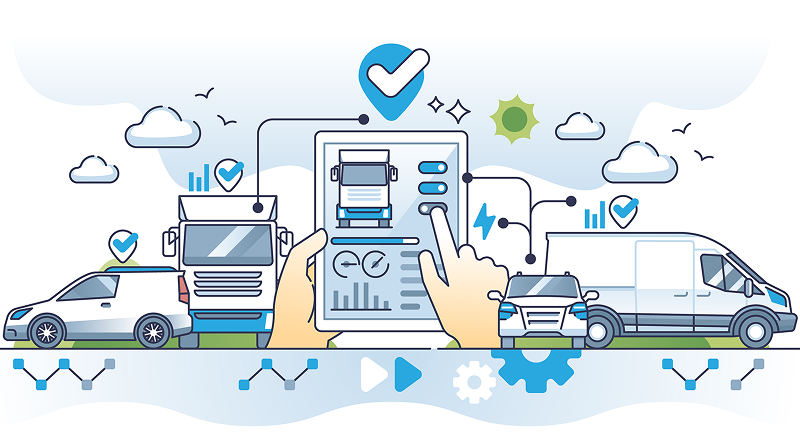
As businesses in the logistics and transportation sector scale operations to meet growing customer expectations, the need for smarter, data-driven, and sustainable fleet operations becomes more urgent. Fleet Management Software (FMS) plays a pivotal role in enabling B2B organizations to optimize vehicle usage, reduce operational costs, and improve service delivery. From real-time GPS tracking to predictive maintenance and AI-powered route optimization, FMS innovations are reshaping how modern fleets operate.
In this blog, we explore the key technological innovations in fleet management software that are driving unmatched efficiency and visibility across commercial vehicle networks.
What Is Fleet Management Software?
Fleet Management Software is an integrated digital platform designed to help organizations monitor, manage, and optimize their vehicle operations. It typically includes modules for vehicle tracking, driver behavior monitoring, maintenance scheduling, compliance reporting, fuel management, and route planning.
With the integration of emerging technologies like IoT, Artificial Intelligence, and Machine Learning, modern FMS solutions enable B2B companies to gain deeper insights into their operations and proactively address inefficiencies.
Learn how businesses improve delivery efficiency with our route optimization software.
1. Telematics and Real-Time GPS Tracking
Telematics technology forms the foundation of modern FMS. Using GPS and onboard diagnostic systems, it provides real-time updates on vehicle location, speed, fuel usage, and engine performance.
Benefits include:
● Enhanced route visibility and control
● Geofencing for secure movement
● Theft prevention through instant alerts
● Reduced idle time and fuel wastage
Fleet telematics solutions empower operations managers to make real-time decisions that improve fleet productivity and ensure driver accountability.
Discover how shippers optimize their delivery operations with our Last Mile TMS for Shippers.
2. Predictive Maintenance Using AI & IoT
Gone are the days of reactive maintenance schedules. Predictive maintenance uses AI and IoT sensor data to anticipate mechanical failures before they happen.
Key advantages:
● Minimized vehicle downtime
● Reduced repair costs
● Prolonged vehicle lifespan
● Scheduled maintenance with minimal disruption
Predictive analytics helps in diagnosing engine faults, monitoring tire pressure, and tracking fluid levels—allowing companies to prevent costly breakdowns and boost fleet uptime.
See how carriers boost efficiency and visibility with our Last Mile TMS for Carriers.
3. Route Optimization and Live Dispatch Management
AI-powered route optimization tools process traffic data, delivery windows, and vehicle constraints to plan the most efficient delivery paths. Combined with live dispatch management, businesses can respond dynamically to delays or last-minute changes.
Impact areas:
● Fuel cost savings
● Improved on-time deliveries
● Higher fleet utilization
● Enhanced customer satisfaction
Platforms like robo-dispatch systems further automate the process, ensuring seamless coordination between planning and execution.
4. EV Fleet Integration and Sustainability Tracking
With the rise of electric vehicles (EVs), fleet management systems are evolving to support EV-specific operations. This includes range monitoring, charging schedules, and route planning tailored to EV battery life.
Sustainability tools enable:
● CO2 emission tracking
● Idle-time reduction
● Green compliance reporting
● ESG metrics monitoring
Eco-conscious fleets are using green fleet management modules to align with environmental regulations and corporate sustainability goals.
Stay ahead with the latest last‑mile delivery trends to watch in 2025.
5. Driver Behavior Analytics and Safety Monitoring
Driver performance has a direct impact on fuel consumption, safety, and vehicle wear. FMS now comes with behavior tracking tools that monitor harsh braking, acceleration, speeding, and idling.
Safety enhancements include:
● Real-time driver alerts
● Dashcam integrations
● Panic button and SOS features
● Insurance claim support via trip data logs
Promoting a culture of safe driving not only protects assets but also reduces liabilities and insurance premiums.
Discover how premium white‑glove service enhances last‑mile delivery.
6. Regulatory Compliance and ELD Integration
Compliance with local and international transportation regulations is vital. Modern FMS platforms integrate with Electronic Logging Devices (ELDs) to automatically record Hours of Service (HoS), vehicle inspections, and more.
This ensures:
● DOT/FMCSA compliance
● Simplified audit readiness
● Reduced manual paperwork
● Automated violation alerts
A robust compliance management system builds trust with regulators and customers alike.
Explore how flexible billing models in Last Mile TMS can optimize your delivery costs.
7. Cloud-Based Platforms and Mobile Dashboards
Today’s fleet managers are constantly on the move. Cloud-based FMS solutions with mobile dashboards offer real-time visibility, alerts, and performance metrics accessible from any device.
Advantages:
● Scalability across locations
● Centralized data management
● Seamless integration with CR, ERP, and TMS
● User-friendly interface for drivers and admins
This empowers distributed teams to manage fleet operations collaboratively and efficiently.
Measuring ROI from Fleet Management Innovations
Evaluating the return on investment (ROI) from implementing fleet management software is essential for B2B organizations aiming to optimize operations while justifying technology adoption costs. By tracking performance metrics like fuel usage, driver safety, and vehicle uptime, businesses can assess how key innovations directly translate into measurable outcomes.
To justify investment in FMS, it’s crucial to measure ROI through tangible performance indicators:
● 15-25% reduction in fuel costs
● 20% increase in route efficiency
● 30-40% drop in safety incidents
● 2x faster maintenance cycles
Fleet managers can leverage built-in analytics dashboards to track these KPIs and continuously improve their logistics strategy.
Implementation Roadmap: How to Get Started
Implementing a fleet management software system requires a structured approach to ensure smooth integration and optimal results. A phased rollout allows businesses to evaluate key metrics, gather user feedback, and fine-tune the platform before scaling across the entire fleet. By aligning internal goals with the capabilities of the software, organizations can maximize their operational efficiency from day one.
- Assess fleet size, goals, and existing tools
- Shortlist FMS vendors with domain expertise
- Run a pilot program with selected teams or routes
- Train drivers and dispatchers on platform usage
- Scale system-wide with continuous optimization
Choosing a scalable, cloud-first FMS provider ensures long-term adaptability and ROI.
About nuVizz
nuVizz is a leading provider of AI-powered logistics and last-mile delivery solutions for enterprises worldwide. Our Fleet Management and Transportation Management Platforms offer real-time visibility, automated dispatching, predictive analytics, and end-to-end optimization tools tailored to the needs of modern businesses. Trusted by top logistics companies and shippers, nuVizz helps streamline operations and maximize delivery performance.
Conclusion
Fleet management software has evolved from simple tracking tools to powerful ecosystems that combine AI, telematics, and cloud computing to optimize every aspect of fleet operations. For B2B logistics, transportation, and service-based companies, embracing these innovations is no longer optional—it’s a competitive necessity.
With the right platform, businesses can achieve higher productivity, safety, and sustainability while reducing operational overhead.