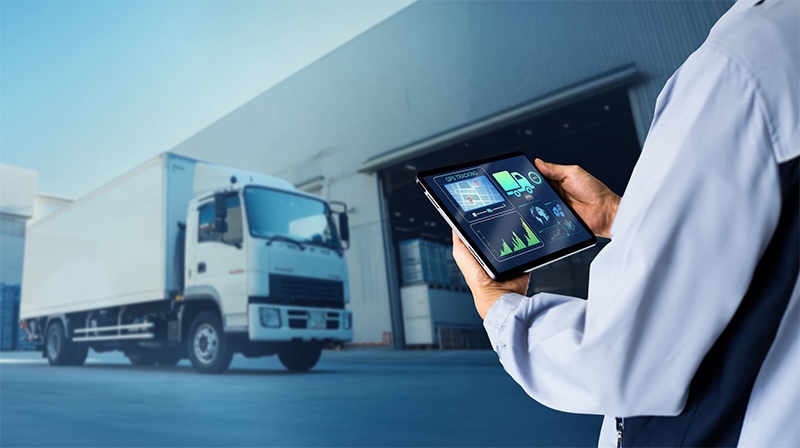
Last-mile delivery has become the ultimate logistics battleground—where customer loyalty is won or lost. This final stage, which gets products from local hubs to the customer’s doorstep, accounts for 41–53% of total logistics costs due to its complexity. Tight deadlines, growing e-commerce volumes, and rising fuel prices are pushing businesses to rethink their operations.
Real-time fleet management integrates live tracking, IoT-based telematics, predictive analytics, and AI-driven route optimization to overcome these challenges. Companies that adopt such systems achieve faster deliveries, lower costs, and better customer experiences.
Why Real-Time Fleet Management Matters for Last-Mile Delivery
Last-mile logistics faces unique obstacles—high delivery density in urban areas, variable traffic patterns, and ever-changing customer expectations. Static planning methods can’t keep up.
Key Pain Points Without Real-Time Fleet Management
● Routing Inefficiency
Static routes don’t adapt to live disruptions like roadblocks, weather, or traffic jams.
● Lack of Visibility
Stakeholders operate blindly—leading to missed ETAs and rising customer complaints.
● Escalating Costs
Unoptimized routes lead to 10–20% higher operational expenses annually.
● Missed Service Levels
Delays hurt SLA compliance, resulting in penalties and lost contracts.
● Reactive Crisis Management
Problems are addressed only after they’ve caused disruptions.
How Real-Time Fleet Management Resolves These
By integrating GPS tracking, dynamic route planning, and predictive analytics, fleets can:
- Monitor every vehicle’s position, status, and performance in real time.
- Adjust delivery routes instantly in response to traffic or customer changes.
- Allocate resources effectively—matching drivers, vehicles, and delivery density dynamically.
- Provide customers with live updates and reliable delivery windows.
Business Impact:
- 15–25% fuel savings
- 20–30% higher on-time deliveries
- Up to 40% fewer failed delivery attempts
- Enhanced brand reputation and repeat business
Struggling to manage your deliveries end-to-end?
Streamline NowCore Features of Real-Time Fleet Management
Real-time fleet management isn’t a single tool—it’s a suite of connected technologies working in sync.
Live Vehicle Tracking and Monitoring
GPS devices and driver apps transmit location, speed, and route adherence. Fleet managers can view every vehicle’s journey in real-time dashboards, ensuring operational transparency.
- Benefits: Rapid incident response, reduced unauthorized detours, and accurate ETAs.
- Use Case: A courier company rerouted 18% of its daily deliveries dynamically during peak-hour congestion, cutting delays by 30%.
Dynamic Route Optimization
Instead of pre-set routes, the system calculates the best paths using traffic APIs, delivery time windows, and fuel constraints.
- Impact:
- 15% less idle time
- 22% increase in delivery density per route
- Reduced carbon footprint
- Example: Retail chains use this to balance home delivery and store replenishment runs in a single optimized route.
Turn delivery failures into on-time success stories.
Start Optimizing TodayAutomated Dispatching and Smart Scheduling
AI-based dispatch ensures drivers are assigned based on proximity, delivery urgency, and workload capacity.
- Benefits: Eliminates manual errors, reduces waiting time between deliveries, and enables real-time rescheduling.
Predictive Maintenance
IoT sensors analyze engine data, mileage, and part wear to predict failures before they occur.
- Impact:
- 20% reduction in unscheduled downtime
- Lower emergency repair costs
- Extended asset life cycle
Driver Performance Analytics
Telematics capture key behavior metrics: speeding, harsh braking, idle time, and route deviations.
- Outcome:
- Safer operations
- Up to 12% savings on fuel consumption from better driving habits
- Reduced insurance claims and premiums
Enhancing Customer Experience with Real-Time Insights
The customer journey doesn’t end with checkout—delivery is a critical brand moment.
Accurate ETAs & Real-Time Notifications
Consumers now expect minute-level precision. Live tracking systems update ETAs automatically and notify customers via SMS, email, or app alerts.
- Result: Fewer missed deliveries and a 50% reduction in customer support calls.
Transparent Tracking
Providing customers with a live tracking link increases trust and accountability. They can plan their availability around deliveries, reducing first-attempt failures.
Proof-of-Delivery & Feedback Integration
Digital signatures, photo confirmations, and instant feedback collection streamline closure of delivery cycles.
Tired of surprise shipping costs? Discover the Key ChargesOperational and Financial Benefits
Efficient last-mile delivery isn’t just about faster shipments—it’s about controlling costs and improving the bottom line without compromising service quality. Real-time fleet management creates measurable operational gains by reducing waste, optimizing resources, and improving overall delivery economics. From fuel savings to higher fleet utilization, these benefits compound over time to drive long-term profitability.
Lower Delivery Costs
- Route optimization reduces wasted miles.
- Automated dispatching minimizes overtime payments.
- Consolidated deliveries improve load factors.
Case Study: A mid-sized logistics firm reduced its per-stop cost by 18% within six months after implementing real-time fleet tracking.
Better Fleet Utilization
By knowing which vehicles are underloaded or idle, managers can rebalance routes dynamically. This ensures higher capacity usage without increasing fleet size.
Sustainability Gains
Optimized routes lead to fewer emissions. Companies using electric fleets integrate charging schedules with real-time planning, reducing both carbon footprint and energy costs.
AI is changing last mile delivery—are you ready? Transform Your Fleet TodaySolving Last-Mile Challenges with Real-Time Data
Last-mile delivery is the most dynamic and unpredictable stage of logistics, often disrupted by factors beyond the control of drivers or dispatchers. Traffic bottlenecks, last-minute order changes, and access restrictions can quickly derail even the most carefully planned routes. This is where real-time fleet management becomes a strategic advantage, transforming challenges into opportunities for efficiency and improved customer experience.
Real-time data empowers fleet managers to react instantly to evolving conditions. For example, live traffic information enables dynamic rerouting to avoid congested zones, while automated dispatching tools can reassign deliveries when customers update their delivery windows or change addresses. By leveraging these capabilities, businesses can minimize downtime, reduce operational costs, and keep customer promises intact.
One of the biggest hurdles in last-mile logistics is handling seasonal or peak-demand periods. Without real-time insights, fleets often struggle with capacity overload, leading to missed delivery slots and dissatisfied customers. However, when integrated with predictive analytics, real-time systems allow companies to plan ahead—optimizing vehicle allocation, balancing workloads, and ensuring faster turnaround times.
The impact is tangible:
- Fewer failed deliveries due to proactive route adjustments
- Improved on-time performance by up to 30% in congested urban regions
- Lower cost per delivery stop during high-demand periods
By continuously capturing and analyzing live data from vehicles, drivers, and customer interactions, real-time fleet management turns the traditionally reactive last mile into a predictable, controllable, and profitable operation.
Too many stops slowing down your delivery network?
Optimize Multi-Stop Routes NowFuture of Real-Time Fleet Management
Fleet management is entering a new era—one where data, automation, and predictive intelligence will define competitive advantage in last-mile delivery. As customer expectations continue to rise and urban logistics grow more complex, real-time fleet management is no longer a differentiator; it’s becoming a baseline requirement.
Emerging technologies such as AI-powered predictive analytics, machine learning algorithms, and IoT-enabled telematics are already shaping this future. These systems will not only monitor vehicles and routes but also anticipate disruptions before they occur. For instance, predictive maintenance powered by live sensor data will flag potential breakdowns before they happen, preventing costly downtime. Similarly, AI-driven demand forecasting will help businesses prepare for seasonal peaks and dynamically allocate fleets where they’re needed most.
Sustainability will also play a critical role. As regulations tighten and customer preferences shift toward greener delivery options, real-time systems will integrate with electric vehicle (EV) fleets and charging infrastructure, ensuring optimized routes that account for charging needs and energy availability.
The future is also about enhanced collaboration—between shippers, carriers, drivers, and even end customers. With real-time visibility platforms, all stakeholders will share the same single source of truth: accurate ETAs, live updates, and transparent communication channels.
In the next 3–5 years, companies that embrace these innovations are expected to achieve:
- Up to 35% higher route efficiency through predictive optimization
- Significant reductions in carbon emissions, aligning with ESG goals
- Greater customer loyalty, driven by consistently reliable delivery experiences
Steps to Implement Real-Time Fleet Management Successfully
Implementing a real-time fleet management system is not just a technology upgrade—it’s a strategic shift in how last-mile operations are planned, monitored, and optimized. To ensure a smooth transition and maximize ROI, organizations must take a structured approach that combines the right tools, processes, and people.
1. Assess Current Operations and Define Goals
Start by auditing your existing fleet operations—identify inefficiencies, recurring delivery issues, and high-cost areas. Clearly define what you aim to achieve: faster delivery times, reduced fuel expenses, higher on-time performance, or improved customer satisfaction.
2. Choose the Right Fleet Route Optimization Software
Select a platform that integrates real-time traffic data, driver apps, telematics, and analytics dashboards. Look for solutions with proven scalability, user-friendly interfaces, and compatibility with your existing systems (like TMS or WMS).
3. Ensure Seamless Data Integration
Real-time systems thrive on accurate, live data. Integrate your GPS, inventory, and order management tools to create a unified data ecosystem. This enables instant updates on vehicle location, delivery status, and route changes.
4. Train Drivers and Dispatch Teams
Technology adoption is only as strong as the people using it. Conduct comprehensive training sessions to familiarize drivers and managers with new tools, workflows, and communication protocols.
5. Pilot, Measure, and Scale
Launch the system with a pilot program—preferably in a single region or for a specific delivery segment. Monitor key metrics such as delivery times, route efficiency, and fuel usage. Based on results, refine the process and gradually scale across the entire fleet.
6. Continuously Optimize with Feedback Loops
Real-time fleet management isn’t a one-time setup. Regularly analyze collected data, solicit driver feedback, and leverage predictive analytics to keep improving routes, reduce downtime, and enhance delivery reliability.
By following these steps, businesses can not only deploy real-time fleet management effectively but also ensure that it becomes a long-term driver of efficiency, cost savings, and customer loyalty.
Conclusion
Real-time fleet management has moved from being a competitive advantage to an operational necessity in last-mile delivery. By integrating live data, predictive analytics, and intelligent route optimization, businesses can overcome traditional last-mile challenges—reducing costs, improving delivery accuracy, and elevating the customer experience.
From real-time traffic monitoring to dynamic dispatching and sustainable fleet utilization, the impact extends far beyond immediate operational gains. Companies that embrace this approach not only future-proof their logistics networks but also position themselves for scalable growth in an increasingly on-demand economy.
The future belongs to fleets that can see, adapt, and deliver—right when it matters the most.