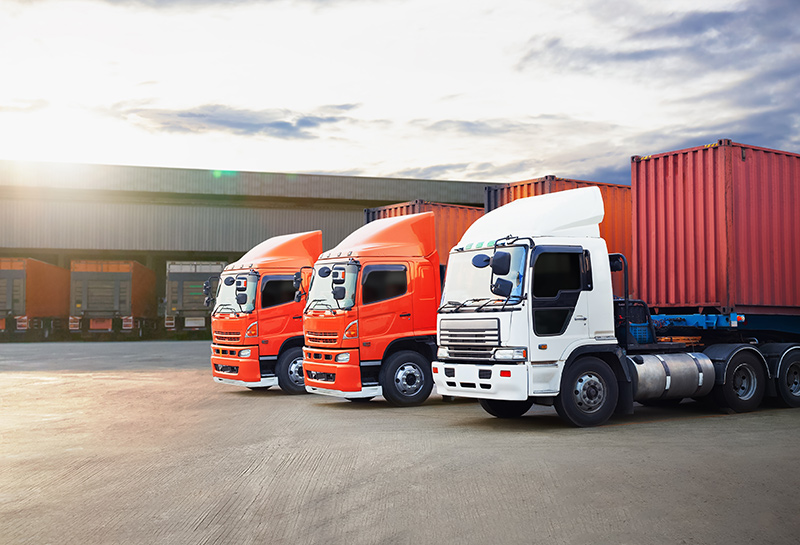
The automotive industry is key to modern transportation. Its efficiency depends on the smooth delivery of parts and components. However, managing the delivery of automotive parts comes with its own set of challenges, including tight timelines, inventory mismanagement, and escalating operational costs. To tackle these hurdles, businesses are turning to logistics automation software, which has revolutionized the way supply chains operate.
In this article, we will look at the challenges of delivering automotive parts. We will also see how logistics automation software can help. Finally, we will discuss why using solutions like nuVizz can keep you ahead in this competitive industry.
6 Key Challenges in Automotive Parts Logistics
The delivery of automotive parts presents a unique set of logistical challenges that require precision, real-time coordination, and advanced technology solutions. Automotive parts logistics involves a complex supply chain. It includes manufacturers, distributors, and repair shops.
Discover how logistics software enhances route optimization to drive efficiency. Read more.
This process needs careful planning and execution. Ensuring timely, cost-effective, and accurate deliveries is important. Here are some of the biggest challenges the industry faces. These issues show the need for advanced systems and automation to solve them well.
1. Route Optimization and Fleet Management:
Efficiently planning delivery routes for automotive parts requires advanced route optimization to minimize delays and ensure timely delivery. Bad route planning can lead to wasted fuel, missed deadlines, and extra problems. This is especially true for large fleets.
2. Real-Time Tracking and Transparency:
Not knowing the real-time status of deliveries can lead to problems. Tracking parts through the supply chain is important to avoid errors. Real-time tracking is crucial for coordinating between warehouses, suppliers, and end-users, ensuring timely updates and delivery alerts.
3. Parts Compatibility and Accuracy:
It is important to deliver the right part to the right place. Mistakes in delivery can lead to expensive delays in repairs. Automating inventory management and integrating systems can help track and validate part compatibility with precise delivery requirements.
Learn how real-time tracking software is revolutionizing e-commerce deliveries. Read more.
4. Demand Forecasting and Dynamic Inventory Management:
Predicting changing demand for parts in the automotive industry can be hard. This is especially true with seasonal changes or sudden increases from repairs, recalls, or accidents. Companies need advanced demand forecasting models and dynamic inventory systems to prevent stockouts or excess inventory.
5. Compliance with Regulations and Standards:
The automotive industry faces complex regulations regarding parts transportation, safety standards, and hazardous materials. Ensuring compliance across various regions adds a layer of complexity to logistics operations, requiring specialized solutions for documentation and certification management.
6. Supply Chain Disruptions:
Outside factors like natural disasters, political issues, or supply chain problems can delay getting automotive parts. Implementing contingency planning, alternative routing, and cross-docking can mitigate the impact of such disruptions.
What is Logistics Automation Software?
Logistics automation software leverages technology to optimize every aspect of the supply chain, from order capture to final delivery. By using tools like route optimization, real-time tracking, and automated scheduling, businesses can achieve unparalleled efficiency.
Key features include:
a) Real-Time Tracking:
Monitor shipments as they move through the supply chain, ensuring transparency and reducing uncertainties.
b) Route Optimization:
Identify the fastest and most cost-effective delivery routes, saving both time and fuel.
c) Automated Processes:
Replace manual tasks with automated workflows to reduce errors and improve productivity.
With these features, businesses handling automotive parts delivery can not only meet but exceed customer expectations.
Boost your Christmas sales with optimized last-mile delivery strategies. Read more.
How Logistics Automation Benefits Automotive Parts Delivery
Logistics automation plays a pivotal role in optimizing the delivery of automotive parts, addressing key challenges such as accuracy, speed, cost, and customer satisfaction. By leveraging advanced technologies like AI-driven route optimization, real-time tracking, and data analytics, businesses can significantly enhance their operational efficiency. Below are some key benefits of logistics automation in automotive parts delivery:
1. Accelerated and Precise Deliveries
Using advanced route optimization tools and real-time tracking systems, logistics automation helps deliver goods faster and more accurately. This process keeps deliveries close to the planned route. This is very important in the automotive sector.
Delays in part deliveries can affect repair schedules. This can lead to expensive downtime.
2. Optimized Inventory Management
Logistics automation software provides enhanced visibility and control over inventory levels across multiple storage locations, from warehouses to distribution centres. By using real-time data and predictive analytics, companies can lower stockouts. They can also improve inventory turnover rates. This helps ensure that parts are available when needed, without overstocking.
Discover why real-time proof of delivery is a game-changer in last-mile logistics. Read more.
3. Operational Cost Reduction
Automating routine tasks like order fulfillment, dispatch scheduling, and load planning reduces the need for manual work. This lowers labor costs and decreases the chance of human error. Smart load optimization and fleet management tools help use resources better. This leads to significant savings in fuel and transportation costs.
4. Superior Customer Experience
With logistics automation, customers gain access to real-time delivery updates, accurate ETAs (Estimated Time of Arrival), and proactive notifications. This level of transparency builds trust. It also helps businesses quickly address delivery concerns. This leads to better customer satisfaction and loyalty.
Case Study: The Impact of Logistics Automation in Automotive Delivery
Consider a leading automotive supplier that implemented nuVizz’s logistics automation software to manage its deliveries. By integrating tools for real-time tracking, automated dispatch, and route optimization, the company achieved:
- A 25% reduction in delivery times.
- 30% savings in operational costs.
- Improved customer ratings because of timely updates and accurate deliveries.
This transformation showcases the potential of automation in overcoming logistical challenges.
Why Choose nuVizz for Automotive Logistics Automation?
nuVizz provides a robust logistics automation platform specifically designed to address the unique challenges of the automotive logistics industry. With a focus on optimizing efficiency, reducing operational costs, and enhancing customer satisfaction, nuVizz’s solution offers the following key advantages:
1. Customizable Functionality
nuVizz’s platform is very flexible. It lets businesses set up and grow the software for complex automotive parts delivery networks. nuVizz helps manage inventory across different locations.It also coordinates with various third-party logistics providers. Additionally, it handles complex supply chain processes. nuVizz allows for easy integration and customization to improve workflows.
2. Scalable and Flexible Solutions
The design of the solution allows it to grow with different business needs. It can handle everyday tasks and busy times, like emergency orders or sudden demand increases. nuVizz’s architecture ensures the platform remains efficient and responsive regardless of fluctuating order volumes or changing market conditions.
Explore how a last-mile TMS can transform routing and dispatch planning. Read more.
3. End-to-End Visibility and Control
nuVizz offers clear real-time visibility into all stages of automotive parts delivery. This includes inventory levels, order tracking, delivery status, and performance metrics. This complete transparency enables businesses to make data-driven decisions, reduce lead times, and improve operational accuracy.
4. Proven Industry Expertise
nuVizz has a lot of experience in automating logistics for global companies. Their knowledge in the automotive sector helps clients get top solutions. The platform can lower transportation costs, improve delivery routes, and make supply chain management better. It has a strong history of success.
By choosing nuVizz, automotive businesses get a custom, scalable, and reliable logistics automation platform. This platform boosts efficiency and enhances supply chain performance.
In today’s fast-paced automotive industry, efficient delivery of parts is non-negotiable. By adopting logistics automation software, businesses can overcome operational challenges, enhance delivery timelines, and significantly improve customer satisfaction. Solutions like nuVizz empower companies to stay competitive by optimizing every step of the supply chain.
Whether you have last-minute orders or large inventories, nuVizz provides tools and technology to improve your automotive logistics.