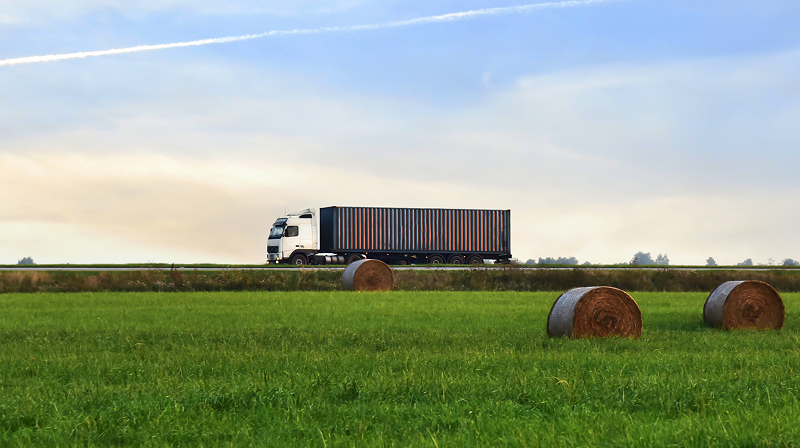
Last-mile delivery—the final step of the delivery journey from a distribution hub to the end customer—plays a pivotal role in the overall customer experience. While the logistics landscape in urban areas has matured with tech adoption, rural last-mile delivery remains a critical bottleneck due to poor infrastructure, dispersed populations, and limited digital adoption.
With eCommerce and essential goods delivery expanding into Tier 2, Tier 3 cities and rural regions, businesses are now facing growing pressure to serve these customers effectively. Addressing last mile delivery challenges in rural areas is no longer just a logistical concern—it’s a growth opportunity.
Major Challenges in Rural Last-Mile Delivery
Rural logistics presents a unique mix of operational inefficiencies and geographic unpredictability that differs starkly from urban delivery challenges. While cities offer route density, digital navigation, and infrastructure reliability, rural areas demand greater resource investment with minimal returns—unless supported by intelligent logistics planning. These challenges aren’t just technical hurdles; they impact customer satisfaction, delivery timeliness, and long-term profitability. Below are the most pressing issues that logistics providers face while executing last-mile deliveries in remote and underserved regions.
● Inadequate Infrastructure and Poor Connectivity
One of the most fundamental issues in rural logistics is subpar infrastructure. Narrow roads, unpaved routes, frequent roadblocks, and unpredictable weather can significantly delay or damage deliveries.
Example:
A furniture company delivering to a hilly region often faces delays due to landslides and single-lane roads. This affects delivery commitments and damages customer trust.
● Sparse Population and Low Delivery Density
Urban areas benefit from high drop density—one driver can fulfill 30+ deliveries in a short route. In contrast, rural deliveries may require long travel for just 2–3 stops, increasing cost per shipment and making it unprofitable without optimization.
Business Impact:
● More fuel and time per delivery
● Lower revenue per route
● More idle time for drivers
Explore smart routing tools that complement EV-based last-mile operations. Read more.
● Inaccurate Addressing and Weak Connectivity
Many rural regions lack proper street names, house numbers, or updated maps on digital navigation tools. Coupled with poor internet and cellular connectivity, delivery agents face a tough time contacting customers or navigating routes.
Consequences:
● Delayed or missed deliveries
● Failed first attempts, increasing costs
● Frustrated customers due to lack of real-time tracking
● Limited Delivery Workforce
In remote areas, hiring trained delivery personnel is a challenge. Travel time discourages urban-based delivery agents, and local workforce may lack training or tools, impacting service quality and
compliance with delivery standards.
Case Insight:
A 3PL provider struggled to meet SLAs in rural areas due to an untrained local workforce and absence of a centralized control tower.
● High Operational Costs with Low ROI
The cumulative impact of long travel distances, sparse drops, and return trips results in high cost per delivery. Without automation, businesses face difficulty in scaling delivery services to rural areas
profitably.
Hidden Cost Factors:
● Fuel wastage
● Inefficient routing
● Manual dispatch errors
● Increased customer service overhead
Ready to optimize your delivery routes with 5G technology? Learn more now!
5 Proven Solutions for Rural Last-Mile Logistics
Overcoming rural last-mile delivery challenges requires more than just adding more drivers or vehicles—it calls for a strategic shift backed by technology, local partnerships, and smarter planning. Logistics providers must optimize operations across the board: from route mapping and resource allocation to communication and customer experience. Fortunately, a combination of AI-driven platforms, decentralized delivery models, and real-time visibility tools offers scalable and cost-effective solutions. Below are some of the most effective ways businesses are transforming rural delivery operations and achieving success.
1. AI-Powered Route Optimization
Route optimization platforms powered by Artificial Intelligence (AI) can account for dynamic rural road conditions, weather, vehicle health, and delivery time windows—ensuring maximum efficiency even in remote geographies.
Features to Look For:
● Multi-stop planning across low-density zones
● Dynamic rerouting
● Fuel-efficient sequencing
● Real-time visibility
2. Micro-Fulfillment & Regional Hubs
Deploying micro-distribution centers or rural fulfillment hubs closer to delivery destinations reduces average delivery distance, speeds up deliveries, and lowers last-mile expenses.
nuVizz Use Case Example:
A large pharma client uses regional hubs integrated with the nuVizz Last Mile TMS, reducing TAT (turnaround time) for rural medicine deliveries by 35%.
3. Localized Driver Networks & Gig Economy
Relying on community-level delivery agents familiar with local geography and customer behavior helps increase first-attempt delivery success and ensures better communication.
Implementation Tips:
● Use driver mobile apps with route plans and customer alerts
● Enable flexible work shifts to encourage gig workers
● Digitally onboard and train local agents with minimal tech friction
4. Real-Time Visibility & Customer Communication
Deliveries in rural areas often involve uncertainty—nuVizz solves this with real-time delivery tracking, SMS/IVR notifications, and customer feedback capture, ensuring transparency and reducing support
calls.
Benefits:
● Improved trust and customer satisfaction
● Proactive delivery updates
● Decreased delivery failure rates
Drive your last-mile delivery into the future with autonomous vehicles! Know more
5. Automated Dispatch & Load Planning
With robo-dispatch systems, logistics providers can auto-assign deliveries based on location clusters, vehicle type, and capacity. Coupled with smart load planning, this drastically reduces manual errors and driver idle time.
Benefits for Carriers & 3PLs:
● Lower operational overhead
● Better truck utilization
● Scalable delivery models
How nuVizz Simplifies Rural Last Mile Delivery
At nuVizz, we’ve built our Last Mile TMS platform to address the rural delivery divide. Our platform includes:
● AI-powered route planning for complex rural geographies
● Real-time driver apps for live updates and directions
● Smart capacity and load planning for low-density deliveries
● End-to-end visibility for operations teams and end-customers alike
Whether you’re a shipper delivering high-value items or a carrier managing rural distribution networks, nuVizz ensures efficient, scalable, and cost-effective last-mile logistics—even in the most underserved areas.
Conclusion: Paving the Way for Rural Delivery Success
Rural last-mile delivery presents clear logistical hurdles—but with the right technology and strategy, they’re solvable. Logistics leaders must pivot from one-size-fits-all models to region-specific approaches, combining AI-based routing, local workforce utilization, and intelligent dispatch planning.
As rural commerce continues to grow, forward-looking businesses that invest in the right tools—like nuVizz’s Last Mile TMS—will not only deliver goods but also build trust and brand loyalty in hard-to-
reach markets.