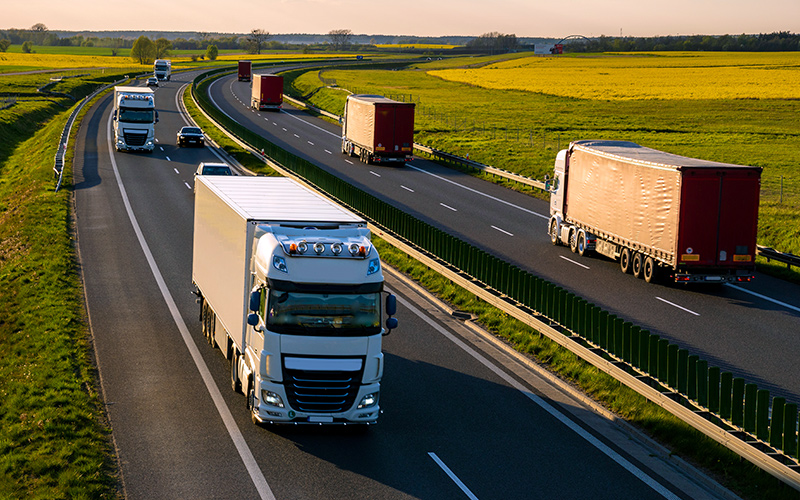
The final mile is a crucial segment in the hectic field of supply chain management that has the power to make or break the consumer experience. With e-commerce growing and customer expectations rising, businesses encounter particular difficulties on the last leg of the delivery process. Let’s examine some of the most common last-mile logistical issues and potential solutions.
Last Mile Logistics Challenges: A Roadmap for Success
1. Traffic Congestion and Route Optimization:
Navigating through urban congestion is one of the recurring problems in last mile logistics. Delays in traffic can result in unhappy clients, delayed delivery, and higher operating expenses. Businesses are using more sophisticated route optimization tools to address this issue. By using real-time data, these systems can determine the most efficient routes, cutting down on delivery times and fuel usage.
2. Cost Pressures and Profitability
A large amount of the total delivery cost is frequently attributed to last mile logistics. It’s difficult to strike a balance between the demand for dependable, fast service and affordability. Innovative cost-cutting strategies like shared transportation networks, automated last-mile options, and crowdsourcing delivery are being investigated by businesses. In the difficult last mile environment, these tactics aid in resource optimization and increase profitability.
3. Customer Expectations and Experience
Customers want delivery experiences that are straightforward and easy to use in this era of instant satisfaction. Real-time delivery process visibility is necessary to meet these expectations. To keep consumers updated on their shipments, businesses are investing in cutting-edge tracking systems and communication technology. Personalized delivery choices also improve the entire customer experience, such as time windows and alternate delivery locations.
4. Environmental Sustainability
Businesses are facing more and more pressure to implement eco-friendly last-mile logistics strategies as environmental issues gain prominence. The use of electric trucks/vehicles, and eco-friendly packaging is growing in favor. Businesses can appeal to a growing segment of environmentally conscious consumers while also preserving the environment by implementing green initiatives.
5. Last Mile Security and Fraud Prevention
In last mile logistics, ensuring the security of delivery is crucial. Businesses require strong security measures to prevent fraud and package theft. The integrity of the last mile delivery process is ensured and theft is prevented thanks to innovations such as smart logistic technologies, and real-time monitoring.
Conclusion:
Although last mile logistics is a dynamic field with many obstacles to overcome, there are also many chances for creativity and advancement. Businesses may master the last mile’s intricacies and become leaders in the constantly changing field of supply chain management by utilizing technology, implementing sustainable practices, and emphasizing the customer experience.
About nuVizz: Empowering Last Mile Success with nuVizz
When it comes to providing comprehensive and adaptable solutions for last mile logistics, nuVizz is unique. Through proactive problem-solving and cutting-edge optimization solutions, nuVizz proves to be an indispensable partner in achieving last-mile success. Adopting nuVizz is an investment in the smooth, effective, and customer-focused future of last mile logistics—not just in technology. Businesses can easily manage the complexity of the final mile with nuVizz as a strategic partner, providing not just deliveries but also outstanding customer experiences.