In today’s hyper-competitive e-commerce landscape, customer expectations for fast, accurate, and low-cost deliveries are higher than ever. Same-day and next-day shipping are no longer premium services—they are becoming the standard. This is why the last mile delivery logistics phase has emerged as the most critical (and most expensive) part of the supply chain.
A key driver of efficiency in this stage is the strategic use of last mile sorting and distribution centers. These facilities act as intelligent hubs where shipments are received, sorted, and dispatched to ensure the fastest possible route to the end customer. By bringing inventory closer to demand centers and using advanced route optimization software, businesses can:
- Shorten delivery times by reducing distance between warehouses and customers.
- Lower last mile costs by minimizing fuel, labor, and vehicle usage.
- Boost customer satisfaction with accurate, real-time delivery promises.
In this blog, we’ll explore how last mile sorting and distribution centers streamline operations, why they are essential for scalable growth, and how they enable retailers, logistics providers, and shippers to balance speed, cost, and customer experience in 2025 and beyond.
What Is a Last Mile Sorting and Distribution Center?
A last mile sorting and distribution center—sometimes referred to as a delivery station, last mile facility, or urban logistics hub—is a strategically located hub positioned close to the customer’s delivery region. These facilities act as the final touchpoint between upstream fulfillment centers and the end customer, ensuring that parcels are efficiently prepared for the last mile of the journey.
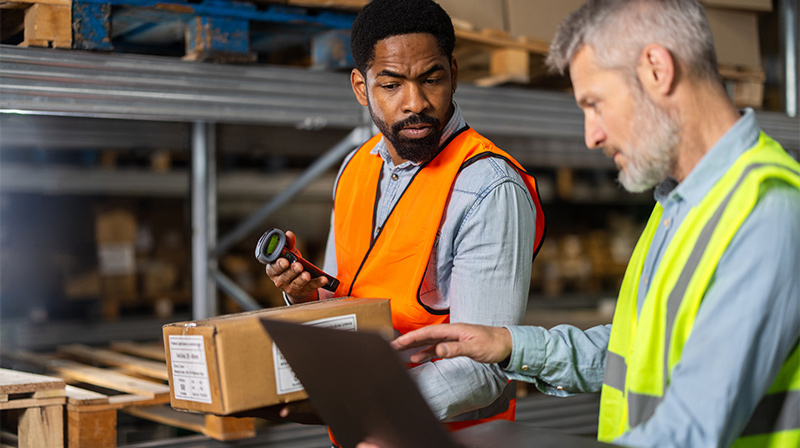
When shipments arrive from regional or central fulfillment hubs, the last mile center takes over. Here, packages are sorted, scanned, and assigned to delivery routes powered by modern routing and scheduling software. By placing these centers closer to urban demand clusters, logistics providers can drastically cut down transit distances, improve delivery accuracy, and lower last mile costs.
Understand the fine line between AI’s steady progress and disruptive change.
Dive into expert insightsKey Functions & Flow of a Last Mile Sorting Center
A last mile sorting and distribution center operates through a structured workflow designed to streamline parcel movement and optimize delivery routes. From the moment shipments arrive from regional hubs to the final dispatch onto local delivery vehicles, every step is carefully orchestrated using last mile delivery solutions and route planning software. This flow ensures parcels are sorted accurately, assigned to the most efficient routes, and delivered on time, while providing visibility and control for both logistics providers and customers. The following key functions highlight how these centers manage the last mile efficiently:
1. Inbound Receipt & Consolidation
Parcels arrive from regional or central fulfillment centers and are scanned into the system for verification. During this stage, shipments are consolidated based on delivery region, priority, and type. Using last mile logistics software, centers can track incoming volumes in real-time, anticipate bottlenecks, and allocate resources efficiently. Proper inbound management reduces handling errors and sets the foundation for faster deliveries.
2. Sorting & Zone Assignment
Once received, packages are sorted by destination zones, delivery routes, or time-sensitive windows. Advanced routing optimization software enables automated scanning and AI-assisted sorting, ensuring each parcel is assigned to the most efficient delivery path. This step not only reduces transit time but also lowers operational costs by optimizing vehicle load and travel distance.
3. Staging & Dispatch
After sorting, parcels are staged for loading onto local delivery vehicles—from vans and trucks to e-bikes and courier fleets. Dynamic route planning software ensures vehicles are loaded in a way that maximizes delivery efficiency, minimizes idle time, and reduces fuel consumption. Staging areas are often equipped with real-time dashboards to monitor dispatch readiness, enabling faster response to sudden delivery demand spikes.
4. Tracking & Customer Updates
At this point, parcels are scanned out, and status updates are triggered in the tracking system, often showing: “Arrived at last mile sorting and distribution center”. Integration with last mile visibility software allows customers and logistics teams to monitor real-time movement, improving transparency and reducing missed deliveries. This step closes the loop between logistics operations and customer experience, ensuring reliability and satisfaction.
By functioning as the bridge between long-haul transport and hyper-local delivery, last mile sorting and distribution centers reduce complexity, increase delivery agility, and enable logistics providers to meet growing customer expectations. Implementing these centers effectively is a proven strategy for scalable, cost-efficient, and high-speed last mile delivery operations.
Still struggling with underutilized vehicles and rising fuel costs?
See how AI can optimize your fleetWhy Last Mile Delivery Has Such High Stakes
Before exploring the benefits of last mile sorting and distribution centers, it’s essential to understand why the last mile is often the most challenging and expensive phase of delivery.
1. Fragmentation of Routes
Unlike bulk shipments on long-haul transport, last mile delivery involves vehicles making multiple stops across different addresses. Each additional stop increases handling complexity, route planning challenges, and fuel usage. Leveraging delivery route planning software becomes critical to consolidate stops, reduce empty miles, and maintain efficiency.
2. Urban Constraints & Traffic
City deliveries face a variety of hurdles, including heavy traffic, restricted zones, parking limitations, and narrow streets. These factors slow down delivery vehicles and often require manual intervention. Advanced routing optimization software helps drivers navigate urban environments efficiently, avoiding congestion and minimizing delays.
3. Failed Delivery Attempts
When recipients aren’t available or addresses are inaccessible, parcels often require redelivery, adding labor and vehicle costs. Integrating last mile visibility software enables predictive scheduling and proactive customer notifications, reducing failed attempts and improving on-time delivery rates.
4. High Customer Expectations & Real-Time Visibility
Modern consumers demand tight delivery windows, same-day options, and real-time tracking. Any missed expectation can damage brand trust. Implementing last mile delivery solutions that provide transparent tracking and automated notifications helps maintain customer satisfaction while keeping operations scalable.
Struggling to maintain end-to-end visibility in medical deliveries? Take control with AI-driven delivery tracking →
5. Cost Concentration
The last mile accounts for a disproportionate share of expenses—often 40–50% or more of total delivery costs. Fuel, labor, vehicle maintenance, and operational inefficiencies all accumulate here. Optimizing this segment through dynamic route planning software and strategically placed last mile sorting centers can deliver significant savings and faster delivery times.
Because of these factors, even small improvements in last mile operations—whether through better route planning, centralized sorting, or advanced TMS solutions—can result in outsized gains in speed, cost efficiency, and customer experience.
How Last Mile Sorting & Distribution Centers Improve Delivery Speed
Last mile sorting and distribution centers are crucial for accelerating deliveries, reducing costs, and improving operational efficiency. By strategically locating parcels closer to delivery zones and leveraging last mile delivery solutions, these centers optimize every step of the final leg of the supply chain. Here’s how they make a measurable impact on delivery speed:
1. Shorter Local Routing & Reduced Driving Time
When parcels are sorted near the delivery zones, vehicles travel shorter distances from central hubs to customer locations. This minimizes “dead miles,” reduces fuel consumption, and enables drivers to complete more stops per run. Using dynamic route planning software, deliveries can be sequenced to further cut transit time and improve overall route efficiency.
2. Better Route Density & Efficiency
Pre-clustering parcels by geographic zone allows routes to be densely packed, maximizing the number of deliveries per vehicle. This reduces the number of vehicles needed for local distribution, cuts operational costs, and ensures that each route is optimized for time and distance. Routing optimization tools can dynamically adjust routes based on traffic patterns or last-minute order changes.
3. Faster Sorting & Dispatching
Automated or semi-automated sorting systems significantly reduce handling time. Robotics, conveyor belts, barcode scanners, and optimized workflows streamline parcel processing, minimizing wait times for loading and dispatch. Faster sorting translates directly into quicker delivery departures and shorter last mile transit windows.
4. Dynamic Allocation & Demand Responsiveness
Centers with real-time visibility into incoming and outgoing volumes can redistribute parcels across vehicles to balance workloads and prevent bottlenecks. During sudden demand spikes or route changes, parcels can be reassigned dynamically, ensuring high service levels without overloading any single delivery vehicle.
5. Real-Time Tracking Handoffs
Centralized handoffs to last mile carriers or in-house delivery teams allow the system to update tracking status immediately. Customers benefit from real-time visibility, while operations teams can monitor vehicle loads, delivery progress, and exceptions in real-time. Integration with last mile visibility software enhances both planning accuracy and customer satisfaction.
6. Scalability & Peak Handling
During high-demand periods—such as festive sales or promotional events—last mile sorting centers act as buffers for inbound volumes. Parcels can be staged, prioritized, and dispatched efficiently, preventing congestion in the delivery network. This scalability ensures smooth outbound flows and maintains delivery speed even under peak load conditions.
By leveraging these capabilities, businesses can reduce last mile delivery times, optimize fleet usage, and provide a superior customer experience, all while keeping costs under control. Last mile distribution centers are not just hubs—they are strategic enablers of faster, more reliable deliveries.
Handling hundreds of deliveries but losing time on route planning? Simplify logistics with smart route softwareKey Metrics & Optimization Strategies
To optimize and measure the impact, logistics teams should track:
| Metric | Why It Matters | Typical Targets / Best Practices |
| Average delivery time (doorstep) | Direct measure of speed | Continuous year-on-year reduction |
| First-time delivery success rate | Reduces re-runs | ≥ 95%+ |
| Vehicle utilization / load factor | Maximize efficiency | High utilization, minimal idle time |
| Sorting throughput | How many parcels processed per hour | Target based on peak volume |
| Fuel / time per parcel | Helps identify inefficiencies | Reduction over time |
| Tracking latency (handoff to update) | Lower is better for transparency | Seconds to minutes, not hours |
Strategies to Enhance Last Mile Delivery Performance
Optimizing last mile delivery is not just about having a distribution center—it’s about using smart strategies and technology to push key performance metrics like delivery speed, route efficiency, and customer satisfaction. Here are the most effective approaches:
1. Route Optimization & Dynamic Rerouting
Using advanced routing optimization software and real-time traffic data, logistics teams can dynamically adjust delivery routes on the fly. AI-driven algorithms evaluate traffic conditions, delivery priorities, and vehicle capacities to identify the fastest, most cost-effective paths. Dynamic rerouting reduces delays, minimizes dead mileage, and ensures timely deliveries even in congested urban areas.
2. Load Balancing Across Nearby Centers
Distributing parcel volumes across multiple nearby last mile sorting centers or delivery hubs prevents bottlenecks and overloads. This approach ensures that no single facility is overwhelmed during peak periods, enabling smooth parcel flow and faster dispatching. Load balancing also supports redundancy, improving resilience during unexpected surges or operational disruptions.
3. Micro-Fulfillment & Satellite Facilities
Establishing micro-fulfillment centers or satellite hubs close to dense customer zones allows parcels to be stored and dispatched locally. This proximity reduces travel distance, shortens delivery windows, and increases last mile efficiency. It is particularly effective in urban and high-density regions where congestion can slow standard deliveries.
4. Automation in Sorting
Automated technologies—such as barcode scanners, sortation machines, conveyor systems, and robotics—accelerate parcel handling while reducing human error. Faster sorting enables quicker staging and dispatch, allowing vehicles to depart earlier and follow optimized routes. Automation also frees up staff to focus on exception handling and high-value tasks.
5. Data Analytics & Demand Forecasting
Using predictive analytics and historical delivery data, logistics teams can anticipate demand spikes, seasonal surges, or promotional peaks. This enables proactive adjustments in staffing, vehicle allocation, and capacity planning. Forecast-driven decision-making ensures the network is prepared, preventing last-minute delays and improving overall delivery performance metrics.
By combining these strategies with last mile delivery solutions and TMS optimization tools, logistics providers and retailers can achieve faster deliveries, reduced costs, and higher customer satisfaction. These approaches turn last mile challenges into competitive advantages in today’s demanding e-commerce environment.
Too many TMS options, but not sure which fits your operations? Use our checklist to choose smarterBenefits of Better Last Mile Delivery
Strengthening your last mile sorting and distribution infrastructure unlocks significant advantages across speed, cost, and customer experience. Here’s how investing in optimized last mile operations pays off:
1. Faster Deliveries & Shorter Lead Times
By placing parcels closer to delivery zones and leveraging route optimization software, last mile sorting centers dramatically reduce end-to-end delivery times. Optimized routing, efficient vehicle loading, and reduced dead mileage allow businesses to meet same-day and next-day delivery expectations, giving them a competitive edge in fast-paced e-commerce markets.
2. Lower Operational Costs
Fewer miles traveled, better vehicle utilization, and reduced repeat deliveries translate into significant cost savings. With last mile TMS solutions and automated dispatch, companies can streamline resource allocation, minimize fuel consumption, and lower labor costs, making the last mile more profitable without compromising speed or quality.
3. Improved Customer Satisfaction & Loyalty
Fast, reliable deliveries, coupled with real-time tracking updates, enhance the customer experience. Transparency and reliability foster trust, encourage repeat purchases, and improve brand perception. Businesses leveraging last mile visibility software can proactively communicate with customers, reducing missed deliveries and complaints.
4. Better Tracking & Operational Visibility
Centralized last mile sorting centers provide early, accurate tracking updates for every parcel. Integration with last mile delivery solutions allows operations teams and customers alike to monitor the progress of shipments in real time, improving decision-making and overall delivery reliability.
5. Scalability & Flexibility During Peaks
During high-demand periods, such as festive seasons or promotional campaigns, last mile centers act as buffers. Parcels can be staged, rerouted, or reassigned across vehicles to manage surges efficiently. This flexibility ensures consistent delivery performance, even under fluctuating demand.
Your biggest growth opportunity might be hiding in plain sight.
Unlock the power of account management6. Data-Driven Continuous Improvement
Analytics generated from sorting and dispatch operations provide insights into bottlenecks, route inefficiencies, and resource allocation gaps. This data empowers logistics teams to make informed investments, refine workflows, and continuously optimize last mile operations, ensuring maximum ROI on infrastructure and technology investments.
By implementing these strategies and leveraging advanced last mile delivery solutions, companies can transform the last mile from a costly challenge into a strategic advantage, achieving faster deliveries, reduced costs, and higher customer satisfaction.
Potential Challenges & Mitigation in Last Mile Sorting & Distribution
While last mile sorting and distribution centers provide significant advantages in delivery speed, cost efficiency, and customer satisfaction, implementing and managing them comes with potential challenges. Awareness of these hurdles allows businesses to proactively plan and mitigate risks.
1. Capital and Infrastructure Costs
Establishing a last mile center—whether building from scratch or leasing space—requires significant investment in sortation systems, automation technology, and operational infrastructure. Businesses must carefully evaluate ROI and explore scalable solutions to balance upfront costs with long-term efficiency gains.
2. Land Constraints in Urban Areas
Securing strategically located facilities in dense urban zones can be difficult due to high real estate costs and limited space. Leveraging micro-fulfillment centers or satellite hubs and partnering with local logistics providers can help overcome these constraints while maintaining proximity to customers.
3. Integration Complexity
Connecting last mile operations with upstream TMS systems, fulfillment centers, and carrier networks can be technically challenging. Ensuring seamless data flow is critical for real-time visibility, accurate tracking, and dynamic routing. Using modular software solutions and APIs designed for integration can simplify these complexities.
4. Under-Utilization Risk
Volumes may fluctuate seasonally or due to market changes, risking under-utilization of the center and turning it into a cost burden. Employing demand forecasting and analytics tools allows businesses to right-size capacity, adjust staffing, and optimize vehicle allocation.
5. Coordination Across Multiple Centers
For organizations operating multiple last mile facilities, load balancing and avoiding duplicate effort requires careful operational planning. Advanced routing and delivery software can centralize coordination, dynamically assign parcels, and ensure efficient use of resources across all centers.
Customers expect more—AI helps you deliver faster and smarter.
Explore how innovation transforms serviceMitigation Strategies
To address these challenges, businesses can adopt several proactive measures:
- Phased Implementation: Start with one or two centers and scale gradually based on performance and demand.
- Modular Expansion: Invest in expandable infrastructure and flexible automation systems to grow as volumes increase.
- Partnerships with Local Carriers: Collaborate with third-party delivery providers to reduce fixed costs and increase coverage.
- Data-Driven Capacity Planning: Use predictive analytics to forecast demand, optimize staffing, and right-size facilities.
By anticipating these challenges and applying targeted mitigation strategies, logistics providers and retailers can maximize the benefits of last mile centers while minimizing financial and operational risks.
Use Case: Optimizing E-Commerce Delivery with nuVizz
A e-commerce retailer, faced challenges in delivering parcels efficiently from its central warehouse in City to customers across a broad region. Direct deliveries via long-haul trucks led to delays in remote zones and high fuel costs.
By implementing nuVizz’s Last Mile TMS and establishing two strategically located sorting and distribution centers closer to dense customer clusters, it transformed delivery operations:
1. Inbound Parcel Routing
Parcels from the central warehouse are rerouted to the nearest last mile centers using nuVizz’s cross-dock and hub-and-spoke distribution model, optimizing the flow of goods.
2. Proximity-Based Sorting
At the centers, parcels are sorted by delivery zones using nuVizz’s AI-powered route optimization and territory planning tools, ensuring efficient dispatch.
3. Local Delivery Execution
Local delivery vehicles handle shorter, denser routes, leveraging nuVizz’s RoboDispatch™ for automated dispatch and real-time visibility for tracking.
Results:
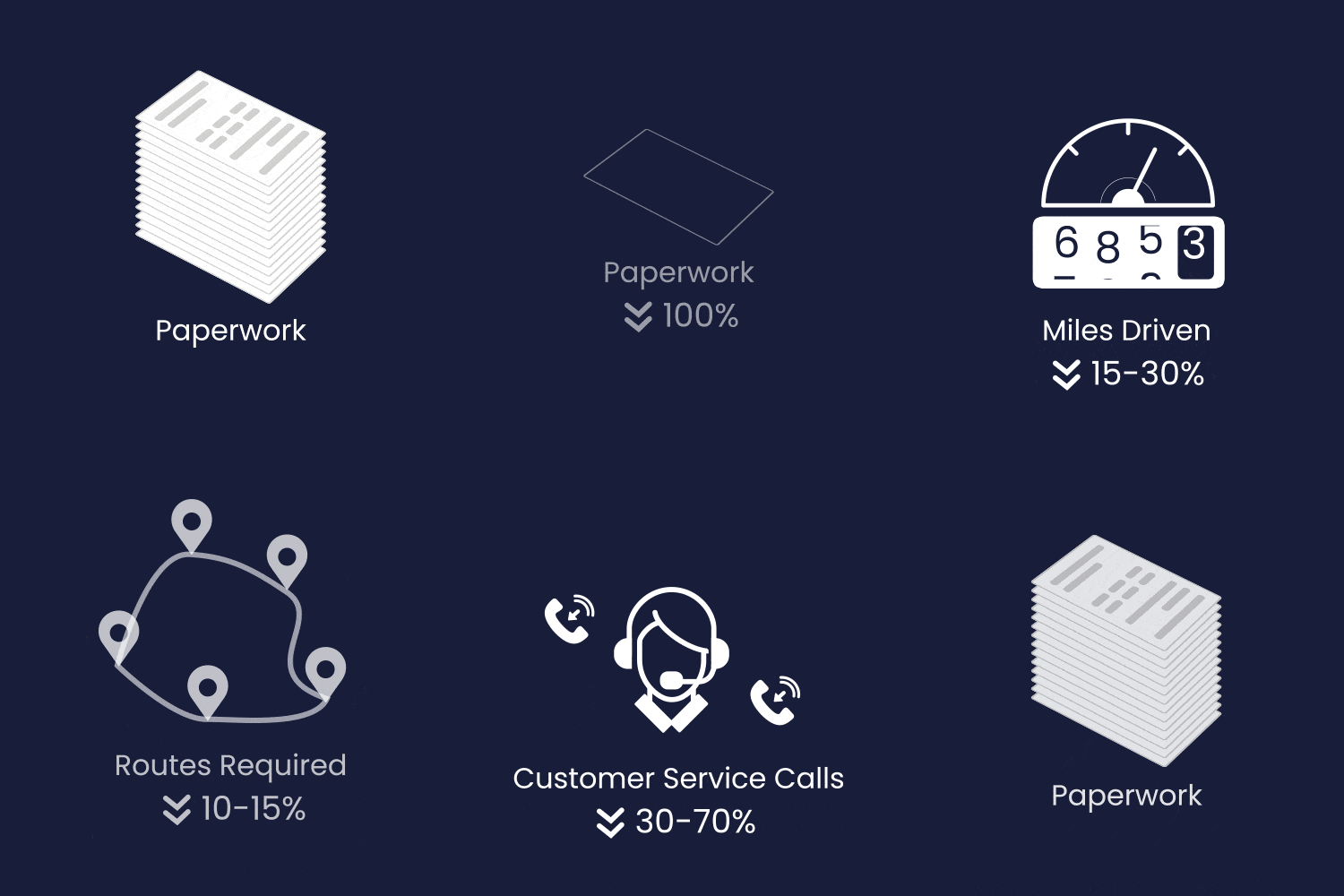
- Delivery times reduced by 20–30%, enhancing customer satisfaction.
- Vehicle utilization increased by 15%, optimizing fleet efficiency.
- Cost per delivery decreased, particularly in high-density areas, due to optimized routing and reduced fuel consumption.
This transformation underscores how nuVizz’s integrated platform can streamline last mile logistics, resulting in faster deliveries, cost savings, and improved customer experiences.
Conclusion: Powering Faster Deliveries with nuVizz
Investing in or optimizing last mile sorting and distribution centers is one of the most effective ways to improve delivery speed, reduce cost, and elevate customer satisfaction in modern e-commerce and logistics operations. With the right location strategy, automation, data intelligence, and routing tools, these centers transform the final leg of the delivery chain into a competitive advantage.
At nuVizz, we enable businesses to achieve this transformation through our Last Mile TMS platform — delivering:
- Dynamic route planning & optimization for faster deliveries
- Real-time transportation visibility with advanced last mile sorting and distribution center tracking
- Automation & analytics to reduce costs and maximize delivery success
Ready to unlock the benefits of smarter last mile delivery? Book a Demo