The delivery and logistics industry is moving at lightning speed. With customer expectations reaching new heights, businesses can’t afford delays, inefficiencies, or missed deliveries. Historically, route planning was a manual process—dependent on experience, guesswork, and static maps. Logistics managers and dispatchers would spend hours calculating delivery routes using spreadsheets or basic tools, often under tight deadlines.
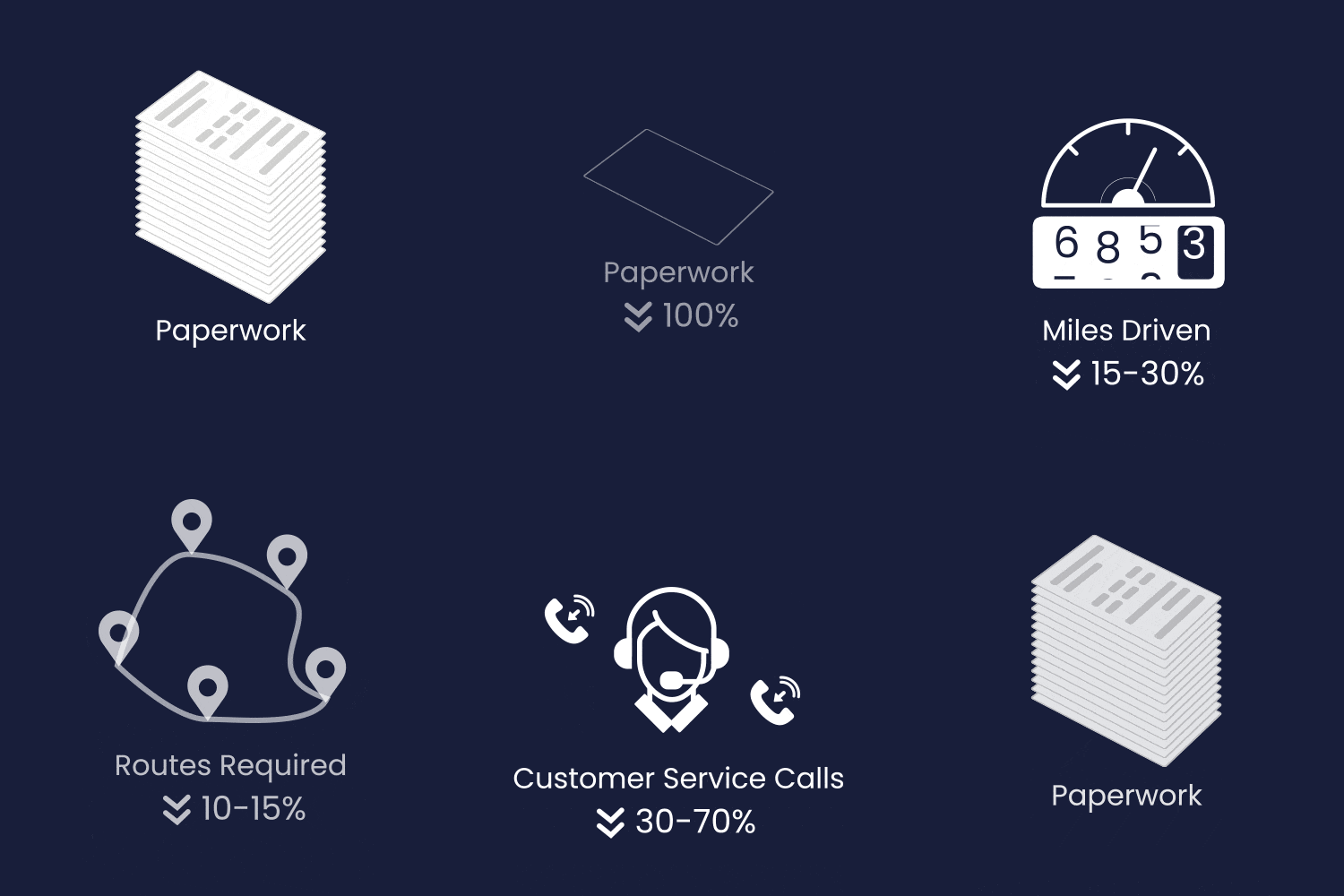
But as delivery volumes surge and operational complexities increase, manual route planning is becoming a major bottleneck. Automated route planning — a transformative solution that uses data, AI, and automation to streamline the entire process.
In this blog, we’ll explore the limitations of manual delivery planning, the rise of AI-powered route optimization, and why using automated route planning software is no longer optional, but essential in modern logistics.
Manual Route Planning – Why It Falls Short Today
Manual route planning may have worked in the past, but in today’s fast-moving logistics landscape, it falls short of meeting modern efficiency demands. Businesses now deal with growing order volumes, complex delivery constraints, and the need for real-time adaptability—challenges that manual methods struggle to address. Without automation, companies risk higher costs, delayed deliveries, and an inability to keep up with customer expectations.
Common Pitfalls of Manual Delivery Planning
Manual route planning might seem manageable when you’re handling a few deliveries within a small radius of dustance. But the moment your delivery network (or) distance expands or the number of deliveries grows, the cracks begin to show:
● Time-Consuming Process
Routing manually can take hours of planning each day, especially when accounting for route planning, driver availability, service windows, and delivery priorities.
● Prone to Human Error
It’s easy to overlook optimal routes, or vehicle capacity limits. A single oversight can result in missed deliveries or customer dissatisfaction.
● Inflexible to Real-Time Changes
If there’s a last-minute order, rerouting manually becomes a logistical nightmare.
● Inefficient Load Allocation
Manual planners often fail to maximize vehicle capacity or create balanced workloads, leading to increased fuel costs and wasted time.
Impact on Last-Mile Delivery Efficiency
The last mile — the final leg of the delivery journey — is the most expensive and complex part of the supply chain. With rising customer demands for same-day or next-day delivery, relying on manual processes significantly impacts performance:
● Inaccurate ETAs and customer dissatisfaction
● Increased operational costs
● Poor delivery success rates
● Difficulty in tracking real-time delivery status
Simply put, manual route planning limits your ability to scale and compete in today’s dynamic delivery ecosystem.
Rise of Automated Routing Software in Modern Logistics
With the rise of e-commerce and increasing delivery expectations, automated routing software has become a game-changer in modern logistics. Businesses can no longer afford delays, inefficiencies, or high operational costs caused by manual planning. By leveraging AI driven automation, companies can streamline deliveries, reduce costs, and enhance customer satisfaction—all while adapting to real-time disruptions effortlessly.
What Is Automated Route Planning?
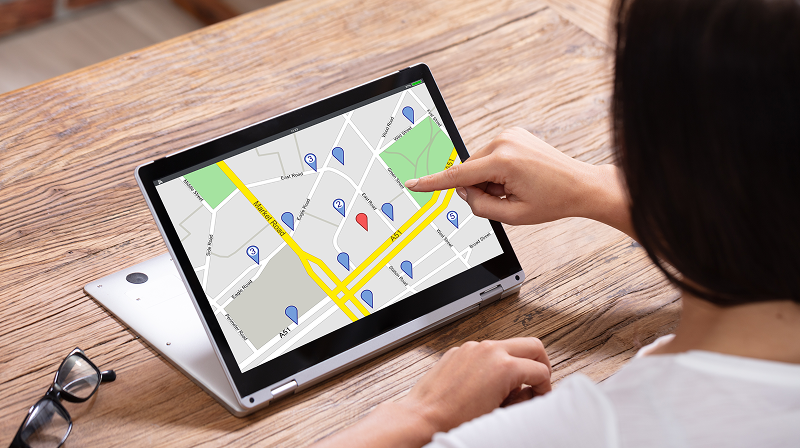
Automated route planning uses advanced algorithms, artificial intelligence (AI), and real-time data to calculate the most efficient delivery routes. Unlike manual systems, automated tools can factor in traffic conditions, delivery time windows, vehicle capacities, driver schedules, and more — instantly.
Integrated into a Last Mile Transportation Management System (TMS), AI-powered route planning software transforms delivery operations from reactive to predictive and optimized.
Key Benefits of AI-Powered Route Optimization
Let’s dive into why automated routing software for deliveries is revolutionizing logistics:
● Reduced Fuel Costs & Mileage
AI evaluates the shortest and most efficient routes, minimizing
distance and idle time.
● Faster and More Accurate ETAs
Real-time tracking, shortest route, analysis enables delivery
windows to be met more precisely.
● Improved Driver Efficiency
Balanced workloads and optimized stops help drivers complete
more deliveries with less stress.
● Scalability
Easily manage hundreds or thousands of deliveries without increasing planning time.
● Dynamic Re-Routing
Adjust routes on the fly based on weather, traffic, or cancellations.
● Enhanced Customer Experience
Real-time tracking and communication boosts transparency
and satisfaction.
Learn how route optimization helps both shippers and carriers – Read more.
Manual vs Automated: The Feature Showdown
| Feature | Manual Planning | Automated Routing Software |
| Time Efficiency | High effort & time-consuming | Real-time planning in seconds |
| Accuracy | Prone to human error | AI-based precision and consistency |
| Scalability | Difficult to scale | Seamlessly handles growing delivery volume |
| Cost Efficiency | High fuel and labor cost | Optimized routes reduce overall costs |
| Real-Time Adjustments | Complex and slow | Dynamic updates based on real- world data |
| Customer Satisfaction | Inconsistent ETAs | On-time, transparent delivery experience |
How Automated Route Planning Tools Work
Automated route planning tools leverage AI, machine learning, and real-time data to create optimized delivery routes with minimal manual intervention. These systems go beyond static planning by continuously adapting to changes such as shortest routes, weather disruptions, and last-minute order modifications. By integrating with a Last Mile Transportation Management System (TMS) and dispatch
software, businesses can achieve seamless coordination across their logistics operations, improving efficiency and reducing costs.
Integration with Last Mile TMS and Dispatch Software
Modern route planning systems don’t work in isolation. They’re often integrated into a larger TMS platform or delivery dispatch software ecosystem. This integration allows:
● Seamless data sharing between order management and routing modules
● Synchronization of inventory, delivery schedules, and capacity planning
● Automated dispatch triggered by route optimization results
● Visibility for all stakeholders including drivers, dispatchers, and customers
Dynamic Scheduling and Load Planning
Beyond planning routes, these systems also:
● Assign deliveries to appropriate vehicles based on size, type, or special handling needs
● Schedule stops based on delivery windows and service priorities
● Adjust for driver availability, work-hour limits, and local regulations
● Use real-time route optimization to adapt instantly to unexpected events
These advanced capabilities enable true end-to-end delivery efficiency.
Choosing the Best Route Planning Software for Your Business
With dozens of route planning tools on the market, how do you select the right one?
Here’s a checklist to guide your decision:
● AI-powered route optimization engine
● Real-time data and traffic integration
● Scalability to handle growth
● Seamless TMS and WMS integrations
● Dynamic scheduling & automated dispatch
● User-friendly dashboards & mobile access
● Real-time visibility for customers and teams
Struggling with last-mile delivery? Discover how route planning software can help – Read more.
One standout solution is nuVizz’s Last Mile Delivery Software, which combines all these features and more in a unified platform. Whether you’re managing a few drivers or a vast delivery fleet, nuVizz delivers agility, automation, and intelligence at scale.
Conclusion: The Future of Delivery Is Automated
In today’s competitive and fast-paced logistics landscape, relying on manual route planning is no longer sustainable. It’s inefficient, error-prone, and lacks the scalability needed to thrive.
By switching to automated routing software, businesses unlock:
● Greater delivery speed and accuracy
● Enhanced customer satisfaction
● Significant cost savings
● Real-time fleet visibility
● Improved decision-making
If your goal is to optimize delivery operations and grow your logistics business, the future is clear — and it’s automated.
About nuVizz
nuVizz is a leading provider of AI-powered Last Mile Delivery Software and Transportation Management Solutions that empower businesses to automate routing, optimize load planning, and deliver exceptional customer experiences. With real-time visibility, smart dispatching, and powerful analytics, nuVizz helps companies across industries — including retail, food, healthcare, 3PL, and automotive — streamline last-mile operations and scale with confidence.