In today’s fast-paced logistics and retail landscape, high-volume deliveries are the backbone of business success. Yet managing multiple shipments across congested routes, strict delivery windows, and ever-growing customer expectations can be overwhelming. Without the right tools, transport managers and fleet operators face inefficiencies, delayed deliveries, and escalating operational costs.
This is where route planning software becomes essential. Modern delivery routing platforms optimize routes, manage multiple stops, and provide real-time visibility into shipments. By leveraging these tools, businesses can save time, reduce fuel consumption, and enhance customer satisfaction, all while maintaining control over complex delivery networks.
In this guide, we’ll cover:
- How the best route planning software can streamline high-volume deliveries.
- Key features to look for in a robust delivery routing solution.
- Practical tips for selecting the right software for your fleet.
Whether you manage a small regional operation or a large-scale distribution network, the right delivery route planning software can transform your logistics processes, improve operational efficiency, and ensure on-time deliveries every time.
What is Route Planning Software?
Route planning software is a digital solution designed to help businesses optimize the movement of goods, streamline deliveries, and improve overall fleet efficiency. By providing tools for planning, scheduling, and monitoring shipments, this software helps fleet operators reduce costs, minimize delays, and improve operational accuracy.
Key Functions of Route Planning Software
A robust route planning software offers a variety of features that help businesses optimize delivery routes, manage fleet resources, and ensure timely shipments. By leveraging these tools, transport managers can reduce fuel costs, minimize travel time, and enhance customer satisfaction through better visibility and more reliable deliveries. The following key functions are essential in a powerful route planning solution:
1. Route Optimization
- Calculates the most efficient paths based on traffic conditions, distance, and delivery time windows.
- Supports dynamic adjustments in real time to handle delays, accidents, or urgent orders.
2. Multi-Stop Planning
- Groups multiple deliveries logically to minimize travel time, fuel consumption, and vehicle usage.
Enhances last-mile delivery efficiency, particularly for high-volume routes.
3. Fleet & Vehicle Management
- Assigns the right vehicle to each route based on capacity, availability, and shipment type.
- Improves fleet utilization while reducing empty miles and operational costs.
4. Real-Time Tracking & Visibility
- Provides live updates on shipment status and driver locations.
- Improves communication with customers and internal teams, reducing “Where is my delivery?” inquiries.
5. Integration & Accessibility
Available as cloud-based platforms, mobile apps, or TMS-integrated modules.
- Ensures transport managers and drivers can access critical delivery information anytime, anywhere.
By combining these features, route planning software empowers businesses to streamline high-volume deliveries, cut costs, and provide a better customer experience, making it an essential tool for modern logistics operations.
High shipping costs holding back your eCommerce growth?
Unlock AI-powered logistics todayKey Benefits of Route Optimization
Implementing route optimization software can transform high-volume delivery operations by improving efficiency, cutting costs, and enhancing the customer experience. Here are the primary benefits businesses can achieve:
1. Reduced Operational Costs
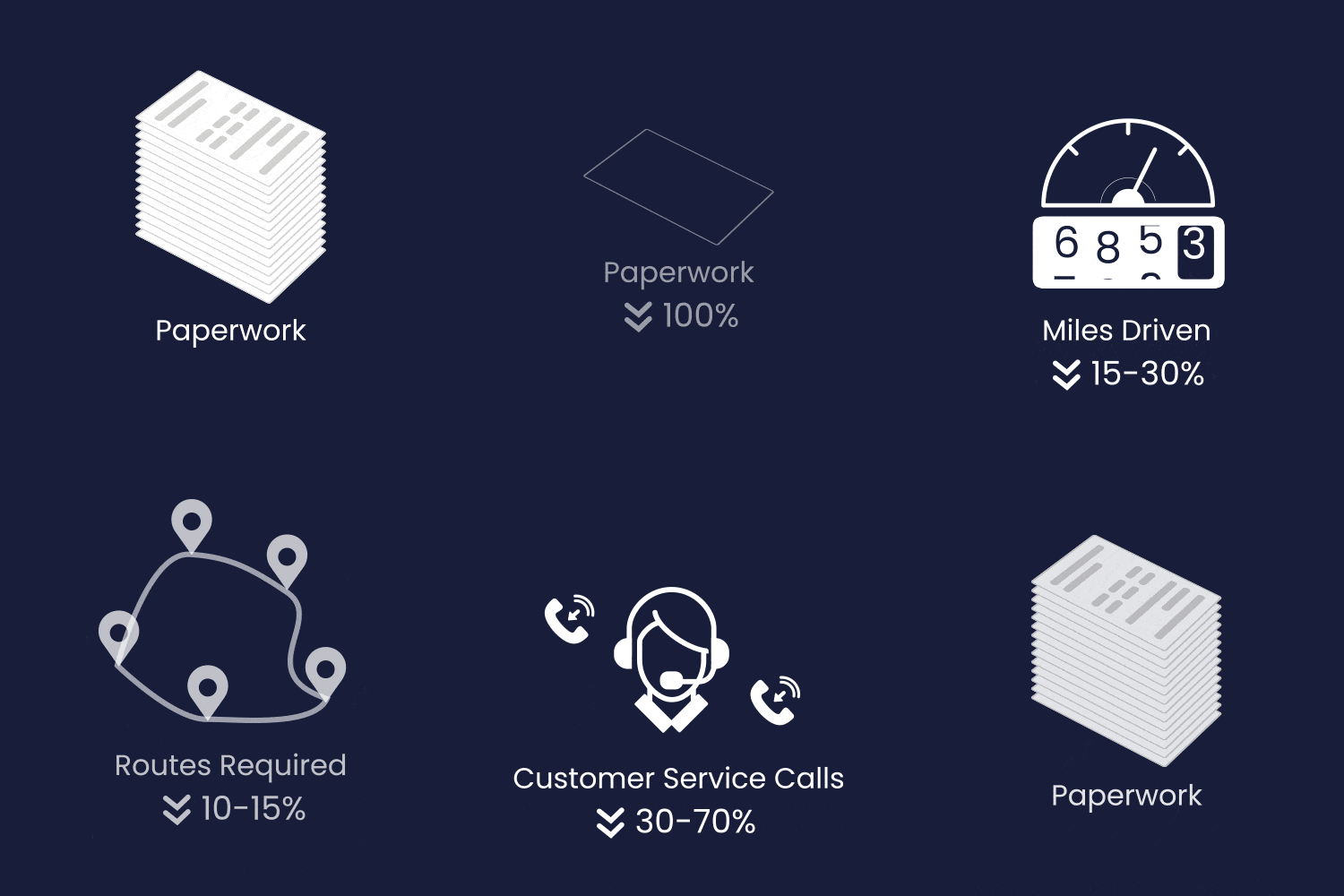
Optimized routes directly translate to lower fuel consumption, reduced overtime, and less vehicle wear and tear. By eliminating unnecessary miles and improving scheduling, companies can achieve significant cost savings over time, boosting overall profitability.
2. Improved Delivery Efficiency
Smart routing and multi-stop route planning enable drivers to complete more deliveries in less time. By reducing idle time, backtracking, and inefficient stops, businesses can increase daily delivery capacity while maintaining service quality.
3. Enhanced Customer Satisfaction
With real-time shipment tracking and accurate delivery windows, customers enjoy more reliable service. Proactive notifications and timely updates reduce inquiries and build trust and loyalty, which is essential for retaining clients in competitive markets.
4. Environmental Impact
Shorter, optimized routes not only save money but also reduce carbon emissions, contributing to greener and more sustainable logistics operations. Companies can demonstrate environmental responsibility while maintaining operational efficiency.
5. Data-Driven Decision Making
Modern route optimization software includes analytics dashboards that track delivery times, driver performance, and route efficiency. These insights allow transport managers to identify bottlenecks, make informed decisions, and continuously improve logistics operations.
By leveraging these benefits, businesses can streamline high-volume deliveries, enhance operational efficiency, and improve customer satisfaction, making route optimization software an essential tool for modern fleet and logistics management.
Still relying on manual dispatch in a digital world?
Upgrade to next-gen logistics solutionsFeatures to Look for in Route Planning Software
When evaluating route planning software for high-volume deliveries, it’s essential to focus on features that directly impact efficiency, cost savings, and customer satisfaction. Not all capabilities are equally important—here’s a comprehensive checklist to guide transport managers in selecting the right solution:
1. Real-Time Route Optimization
- Automatically adjusts routes based on traffic conditions, road closures, or last-minute delivery changes.
- Ensures drivers always follow the most efficient path, reducing travel time and fuel consumption.
2. Multi-Stop Route Planning
- Allows planning for multiple deliveries within a single route to minimize travel distance and time.
- Supports optimal sequencing of stops, improving delivery speed and operational efficiency.
3. Fleet & Vehicle Management
- Assigns the right vehicle for each delivery based on capacity, availability, and type of goods.
- Tracks vehicle availability, maintenance schedules, and driver assignments to maximize fleet utilization.
4. Delivery Scheduling & Time Windows
- Enables planners to respect customer-specific delivery windows, reducing missed deliveries.
- Helps maintain reliability and on-time performance, which is critical for customer satisfaction.
5. Integration with Other Systems
- Syncs with TMS, ERP, or CRM platforms for seamless data flow across the supply chain.
- Minimizes manual entry errors and ensures operational transparency across departments.
6. Analytics & Reporting Dashboards
- Provides actionable insights such as deliveries per driver, route efficiency, and on-time delivery rates.
- Helps transport managers identify bottlenecks, optimize routes, and improve future planning.
7. Mobile App & Driver Interface
GPS navigation, digital signatures, and electronic Proof of Delivery (ePOD) enable faster verification.
- Enhances driver communication, reduces delays, and improves overall delivery accuracy.
By ensuring these features are part of your route planning software, businesses can streamline high-volume deliveries, reduce operational costs, and maintain high levels of customer satisfaction, making their logistics operations more efficient and reliable.
Cost & ROI Considerations for Route Planning Software
Before selecting route planning software, transport managers must understand the costs involved and the potential return on investment (ROI). Evaluating these factors ensures that the solution not only fits your budget but also delivers measurable operational benefits.
1. Upfront & Subscription Costs
- Cloud-Based Solutions: Typically involve subscription fees, often based on the number of vehicles or users.
- On-Premise Software: Requires higher initial investment for licenses, hardware, and IT infrastructure.
- Consider the total cost of ownership, including software licenses, hardware requirements, employee training, and ongoing maintenance.
2. Operational Savings
- Reduced Fuel Consumption & Travel Distance: Optimized routes lower mileage and fuel costs.
- Increased Deliveries per Driver: Efficient scheduling allows drivers to complete more deliveries per day.
- Lower Overtime Costs: Smart route planning reduces the need for extra hours, saving labor expenses.
3. Error Reduction & Efficiency Gains
- Minimized Delivery Errors: Optimized routes reduce missed deliveries and late shipments.
- Automated Scheduling: Reduces manual planning time for logistics teams, freeing staff for higher-value tasks.
- Improved Customer Satisfaction: On-time deliveries and real-time tracking improve client trust and retention.
4. ROI Metrics to Track
- Cost per Delivery: Monitor reductions in operational expenses.
- Delivery Time per Route: Evaluate improvements in route efficiency.
- Driver Productivity: Measure increases in deliveries completed per shift.
Many companies experience measurable savings within months of implementing route planning software.
Pro Tip: Don’t focus solely on upfront costs. The most valuable route planning solutions deliver rapid ROI through operational efficiency, reduced fuel consumption, and better resource utilization, making them an investment that pays off quickly.
Every failed delivery costs more than you think. Reduce risks with optimized routesVendor & Software Evaluation Checklist
Choosing the right route planning software is not just about features—it’s equally important to select a reliable vendor that can support your business over the long term. Here’s a comprehensive checklist for evaluating potential software providers:
1. Reputation & Reviews
- Look for vendors with proven experience in logistics, last-mile delivery, and high-volume fleet management.
- Review customer testimonials, case studies, and independent reviews to understand performance, reliability, and real-world ROI.
2. Implementation & Onboarding
- Assess the ease and timeline of deployment, ensuring it aligns with your operational schedule.
- Confirm that the vendor provides comprehensive onboarding, training, and documentation to enable your team to maximize software value quickly.
3. Customer Support & Service Levels
- 24/7 support is ideal for global operations or businesses with high delivery volumes.
- Review Service Level Agreements (SLAs) to guarantee response times and issue resolution standards.
- Ensure support covers both technical troubleshooting and guidance on best practices.
4. Integration Capabilities
- Confirm compatibility with existing TMS, ERP, CRM, or accounting systems for seamless data flow.
- Check for APIs, import/export options, and mobile integrations to avoid manual workarounds and ensure operational transparency.
5. Scalability
- Evaluate whether the software can handle growth in fleet size, geographic coverage, and delivery volume.
- Future-proof your investment with solutions that can adapt to increasing operational complexity without requiring a costly migration.
6. Cloud vs. On-Premise Deployment
- Cloud-Based Solutions: Fast to deploy, scalable, lower upfront costs, and accessible from anywhere.
- On-Premise Solutions: Provide greater control and security but may require higher infrastructure investment and ongoing maintenance.
- Choose the deployment model that aligns with your business’s technical capabilities, budget, and long-term growth plans.
By carefully evaluating both software features and vendor capabilities, transport managers can select a solution that not only optimizes high-volume deliveries but also ensures reliable support, seamless integration, and long-term scalability.
Hidden accessorial charges eating into your freight profits?
Learn how to manage them effectivelyUse-Case Examples: Choosing the Right Route Planning Software
Selecting the best route planning software depends heavily on your business size, delivery volume, and operational complexity. Here’s how different types of businesses can prioritize features to maximize efficiency and ROI:
1. Small Business with a Limited Fleet
Focus: Cost-effective, user-friendly software that is easy to implement.
Must-Have Features:
- Multi-stop route planning to optimize delivery sequences.
- Mobile driver app for real-time navigation and proof of delivery.
- Delivery scheduling with customer time windows.
Result: Fewer missed deliveries, reduced fuel costs, and improved operational efficiency, enabling small businesses to compete with larger players without high overhead.
2. Mid-Sized Retailer with Regional Operations
Focus: Integration with existing systems and optimization across multiple days.
Must-Have Features:
- Real-time traffic updates for dynamic route adjustments.
- Time-window management to meet customer-specific delivery requirements.
- Fleet assignment and vehicle management to maximize utilization.
Result: Increased deliveries per driver, higher on-time delivery rates, and enhanced customer satisfaction, supporting growth across regional markets.
3. Large Logistics Provider / High-Volume Deliveries
Focus: Full automation, advanced analytics, and predictive route optimization.
Must-Have Features:
- AI-based route optimization for complex, high-volume networks.
- Advanced reporting dashboards to track KPIs and identify bottlenecks.
- Multi-fleet management for large-scale operations.
Result: Lower operational costs, improved on-time delivery performance, and data-driven decision-making, enabling enterprise logistics teams to scale efficiently and maintain service quality.
Conclusion:
Selecting the right route planning software can turn high-volume deliveries from a logistical challenge into a strategic advantage. By prioritizing features such as real-time route optimization, multi-stop planning, fleet management, delivery scheduling, and analytics dashboards—and by carefully evaluating vendors for support, scalability, and integration—you can reduce operational costs, increase delivery efficiency, and enhance customer satisfaction.
The most effective solutions not only streamline day-to-day operations but also provide data-driven insights to continually improve logistics performance, making your fleet more agile and responsive in competitive markets.
Take the Next Step
Ready to optimize your high-volume deliveries? Explore nuVizz’s route optimization and delivery management solutions to:
- Streamline logistics operations with intelligent route planning.
- Maximize fleet efficiency and reduce fuel and labor costs.
- Gain real-time visibility into deliveries for better control and customer service.
Request a demo today and discover how the right route planning software can revolutionize your delivery operations, giving your business a competitive edge in today’s fast-paced logistics environment.