In the world of healthcare, ensuring that medicines, vaccines, and biological products reach patients safely is more than a priority—it’s a matter of life and death. Many of these products are temperature-sensitive, meaning even a slight deviation from the required temperature range can make them ineffective or even dangerous. This is where cold chain logistics in healthcare comes in.
In this guide, we’ll explore what cold chain logistics is, why it’s critical for the pharmaceutical industry, how the process works, the biggest challenges, emerging trends, and best practices to help healthcare organizations ensure safe and compliant delivery of life-saving products.
What is Cold Chain Logistics?
At its core, cold chain logistics refers to the transportation, storage, and handling of temperature-sensitive products under controlled conditions from the point of manufacture to the end user. It is a vital part of the healthcare supply chain, especially for:
● Pharmaceuticals
● Vaccines and biologics
● Blood and plasma products
● Temperature-sensitive medical supplies
Most of these products require temperatures ranging from 2°C to 8°C, while some biologics demand ultra-cold environments as low as -70°C. Without strict temperature controls, products can degrade, lose efficacy, and become unsafe for use.
Ensure zero compliance gaps in your pharma supply chain.
Digitize Your Deliveries NowThe importance of cold chain logistics lies in protecting product integrity, reducing losses due to spoilage, and meeting regulatory compliance standards like Good Distribution Practices (GDP) and World Health Organization (WHO) guidelines.
The Cold Chain Logistics Process Explained
An effective cold chain logistics process isn’t just about moving products from point A to point B—it’s about maintaining a consistent temperature environment every step of the way. Here’s how each stage works in detail:
1. Pre-Conditioning and Packaging
Before shipping, temperature-sensitive products are carefully packed using insulated containers, gel packs, phase-change materials, and dry ice (for ultra-cold items). Packaging is tested to maintain temperatures for the expected transit duration, even if there are delays. Advanced thermal packaging can maintain stability for 72+ hours without intervention.
2. Temperature-Controlled Storage
Products are stored in specialized warehouses and distribution centers equipped with climate-controlled rooms, refrigeration units, and constant monitoring systems. Many facilities also have backup generators and automated alarms in case of power failure, ensuring no temperature excursions.
3. Transportation and Distribution
Once ready for transport, shipments move via:
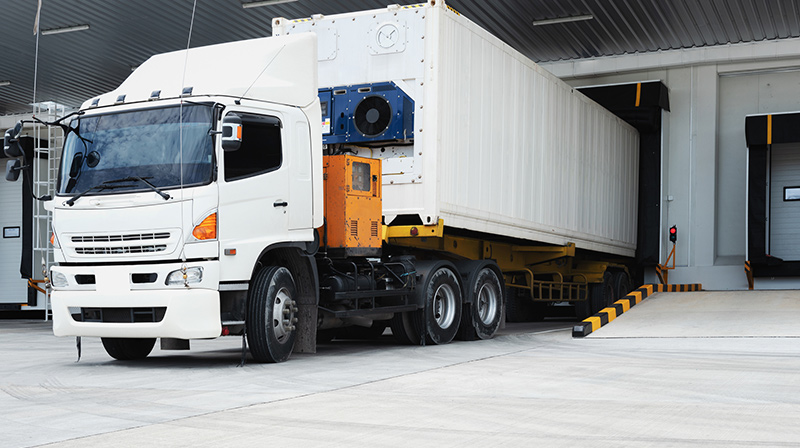
● Refrigerated trucks (reefers) for ground transport
● Temperature-controlled air freight for international deliveries
● Specialized last-mile vehicles with insulated compartments
Route planning plays a huge role here. Using AI-driven route optimization, logistics providers can minimize delays, avoid traffic or weather disruptions, and shorten transit time—critical for sensitive vaccines and biologics.
4. Real-Time Monitoring and Visibility
The most advanced cold chains use IoT-enabled sensors placed inside containers or pallets. These devices track:
● Temperature and humidity levels
● Shock or vibration events
● Location (GPS) in real time
Data is sent to cloud platforms so both the shipper and receiver can monitor conditions, ensuring transparency and quick action if issues arise.
5. Delivery and Quality Verification
Upon arrival, shipments are checked for temperature history logs to confirm no deviations occurred. If excursions did occur, protocols determine whether the product can still be used or must be discarded.
Falling behind competitors with outdated delivery tools?
Upgrade Your Last-Mile
By combining smart packaging, IoT visibility, predictive analytics, and skilled logistics partners, companies can ensure compliance with regulatory standards like Good Distribution Practices (GDP) while protecting the integrity of every shipment.
Pharmaceutical & Vaccine Cold Chain Transportation
The transportation of vaccines, biologics, and pharmaceuticals requires special care and adherence to strict standards:
● Regulatory Compliance:
Must meet WHO, FDA, and GDP standards to ensure quality.
● Ultra-Cold Requirements:
COVID-19 vaccines highlighted the need for ultra-cold storage (down to -80°C).
● Packaging Solutions:
Advanced thermal packaging and dry ice are often used to maintain consistent temperatures.
Failures in cold chain vaccine transportation can be catastrophic. For example, a slight temperature fluctuation during transit can result in the loss of millions of doses. The use of IoT monitoring systems, route optimization, and predictive analytics reduces these risks, ensuring life-saving medicines arrive safely.
Challenges in Cold Chain Logistics (and How to Overcome Them)
While cold chain systems have improved drastically, they still face several hurdles:
1. Temperature Excursions:
Even brief deviations can cause product spoilage.
2. High Costs:
Maintaining temperature-controlled environments is expensive, especially for long-haul and international shipments.
3. Regulatory Complexities:
Compliance with varying international standards can be challenging.
4. Lack of Visibility:
Limited real-time tracking can lead to delays and losses.
Solutions:
● Implement IoT sensors and cloud-based tracking systems for real time visibility.
● Use data analytics to predict risks (e.g., route delays, weather disruptions).
● Partner with logistics providers that specialize in healthcare cold chain management, like nuVizz, which offers end-to-end visibility and route optimization to ensure compliance and efficiency.
Still relying on spreadsheets to track deliveries? Instantly Automate DispatchTrends Shaping the Future of Cold Chain in Healthcare
Cold chain logistics is rapidly evolving. Here are some key trends in cold chain logistics driving transformation:
● IoT and Real-Time Monitoring:
Smart sensors provide instant alerts on temperature breaches.
● Blockchain for Transparency:
Ensures authenticity and prevents tampering of sensitive shipments.
● AI & Predictive Analytics:
Forecasts potential disruptions and optimizes routes proactively.
● Sustainable Solutions:
Eco-friendly packaging, energy-efficient refrigeration, and electric vehicles are becoming the norm.
These innovations not only reduce operational risks but also make cold chain operations more cost-effective and sustainable.
Best Practices for Optimizing Healthcare Cold Chain
To ensure smooth operations, healthcare organizations should adopt the following best practices:
1. Invest in Training:
Staff must be educated on handling temperature-sensitive products.
2. Leverage Advanced Monitoring Tools:
Real-time tracking devices help detect and resolve temperature issues instantly.
3. Choose Reliable Logistics Partners:
Work with companies like nuVizz, which offer specialized cold chain visibility solutions and transportation management systems (TMS).
4. Implement Predictive Analytics:
Anticipate risks and prevent losses.
5. Maintain End-to-End Visibility:
From manufacturer to patient, visibility helps ensure safety and compliance.
How nuVizz Helps Optimize Cold Chain Logistics in Healthcare
Managing a temperature-sensitive supply chain isn’t just about having refrigerated trucks or warehouses—it’s about visibility, efficiency, and compliance at every step. This is where nuVizz comes in.
nuVizz offers end-to-end logistics visibility and transportation management solutions that empower healthcare and pharmaceutical companies to overcome the challenges of cold chain logistics. Here’s how:
● Real-Time Shipment Visibility:
Track every shipment’s temperature, location, and condition in real time using IoT sensors and cloud dashboards.
● AI-Powered Route Optimization:
Reduce transit times and avoid risks like traffic or weather delays to protect sensitive products.
● Regulatory Compliance Support:
Meet stringent standards like GDP and WHO guidelines with automated reporting and audit-ready data.
● Predictive Analytics:
Identify risks (e.g., possible temperature excursions) before they happen and take corrective actions.
● Seamless Integration:
Easily integrate with existing supply chain systems for full visibility from manufacturer to last mile.
By leveraging nuVizz, healthcare organizations can minimize product loss, lower costs, and guarantee safe delivery of critical vaccines and pharmaceuticals—ensuring patients receive the treatments they need, when they need them.
Conclusion: Why Efficient Cold Chain Logistics Saves Lives
In healthcare, the stakes couldn’t be higher. Efficient cold chain logistics ensures that life-saving drugs, vaccines, and biologics maintain their integrity from production to delivery. With modern technology, regulatory compliance, and expert partners, healthcare organizations can minimize losses, cut costs, and most importantly, save lives.
If you’re looking to strengthen your healthcare cold chain operations, explore how nuVizz’s real-time visibility and transportation solutions can help your organization deliver excellence, every time.